Don’t be Afraid–No one is Chasing You: You are Free to Run

Almost Springtime. Everyone who used to be a runner, wants to be a runner again or from a fresh start, and/or who made a resolution to do the couch to 5K or more is out trying to run. Some of you are on the trails. You are getting beat up. I hear you say, “I hate the trails,” to your friends who agreed to help you run again or to run anew. I heard one friend respond, “Just pretend like someone is chasing you. That will help you keep running.”

Ah! As a person who has suffered from various anxiety issues since the age of 13 (panic attacks, hyperventilating, vomiting in stressful social situations–all PTSD-related reactions), I definitely do not need to imagine someone chasing me through the forest. I’ve worked relentlessly to overcome my anxiety, but it never completely goes away (so I run). And as a person who feels at home in the forest, I want others to love the trails as much as I do. I want new runners to continue running the trails. I’ve been on them for 6 years. I lost 70+ pounds after my first child was born. I completely changed my diet. Running trails freed me, but I needed the correct thoughts to guide me.

Running is peaceful to me–alleviating all my stresses. I practice mantras while running and put myself in a meditative state so that I can run up to 25K on the trails if I feel like it. I learn from nature’s never ending classroom.

My best friend suggested I record videos about the meditations and mantras I use when I run. She also wanted to hear the sounds of the birds, the snow crunching under my feet in the winter, my breath, the creaking of the trees–all the sounds I describe to her (obviously, I don’t listen to music when I run). Even though Christy is a yogi, and she doesn’t run trails, she wanted to know what that meditative state could be like–she wanted to see and hear as if she were running with me. She also thought these could be helpful to others who want to run and need good thoughts to guide them.

These are the first videos I recorded for her and for my husband. I needed a specific audience to begin. Hopefully, you’ll enjoy.

These are the first good thoughts you should tell yourself when you run:
I am safe. I am free to run.

An Odd Pairing–the Sacred Silence of Giving and Conscious Purchasing: Part 6 to What is Service? What is Generosity?

Image created by Constantina Dirika

Image created by Constantina Dirika

This was tough to put into words for awhile, and yet I was feeling it all along. My point has been to teach my daughter about service, giving and generosity and to share our experiences while doing that. During the process, one perspective I have considered and one that has been expressed to me by others is silence in giving. Anonymity. I have done my fair share, and admitting that does, in some ways, defeat the purpose of being anonymous. Some would say you should give so much that you fail to notice where your life ends and giving begins and vice versa. Service is your life, but most people have a different relationship. Though they still participate in giving with anonymity in mind, we choose specific times and places to give. Zoe and I weren’t an exception, and some days were monotonous in sorting, picking up, organizing, donating, and dropping off (but this is essential to the process). I kept an activity log every day, but I stopped listing each day’s activities to readers since it didn’t retain the sincerity I felt. Lists are tricky anyway, but explaining each day’s activities is overkill, and going into details can at times break someone else’s confidence (giving to people who are “proud” and to people who don’t know I gave to them). Another example: Day 25’s meditation with my daughter. While I am overjoyed that she has continued to meditate (at random times but mostly after playing video games), sharing her private thoughts about her meditative state would break her confidentiality (even if she isn’t reading this blog).

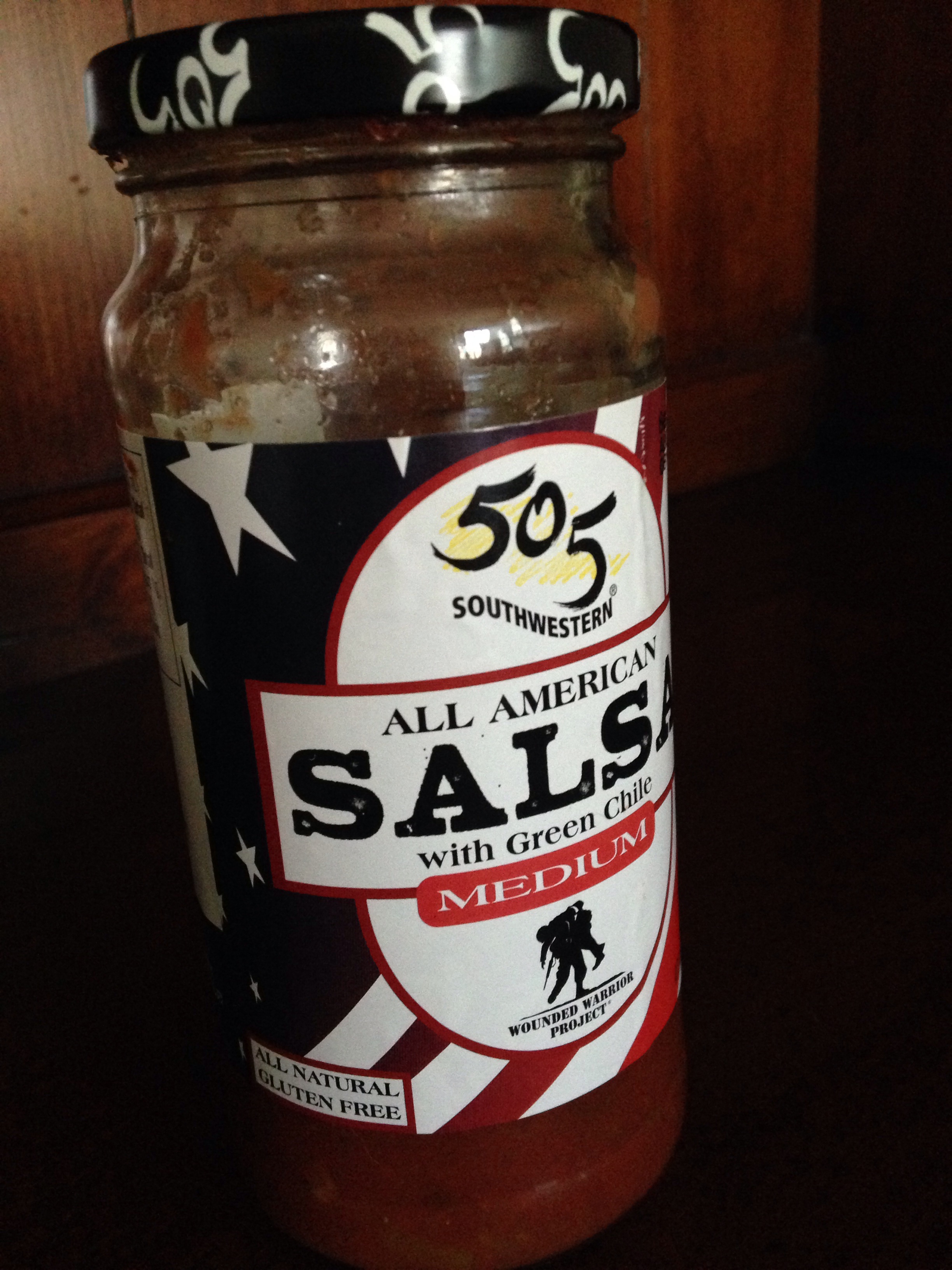
I did find some places where our life and giving are merged, as in selfish giving, but I also found it in our weekly grocery purchases. I felt proud to show her the companies that give part of their profits back to organizations and non-profits that benefit our communities and world. One of the products we discussed, and that Zoe likes, is 505 Southwestern salsa. On the side of every bottle: “Flagship Food Group, LLC, will donate a minimum of $100,000 to Wounded Warrior Project (WWP) from May 1, 2013 through April 1, 2014, contributing 1% of the purchase price of this product. Visit woundedwarriorproject.org
image
We talked about products like Newman’s Own (donating 100% of their profits to various charities and non-profits)that are environmentally-conscious and contribute to making the world a better place. Being a conscious consumer is a necessary survival skill in a capitalist society, but it also allows us to sponsor products and companies with business practices that we admire. (I say this without my full enthusiasm since we all participate in purchasing some products created by workers making extremely low wages or working in bad conditions–that leads to more questions from my daughter.) I have been crestfallen when having to explain many of the conditions in our world.

image
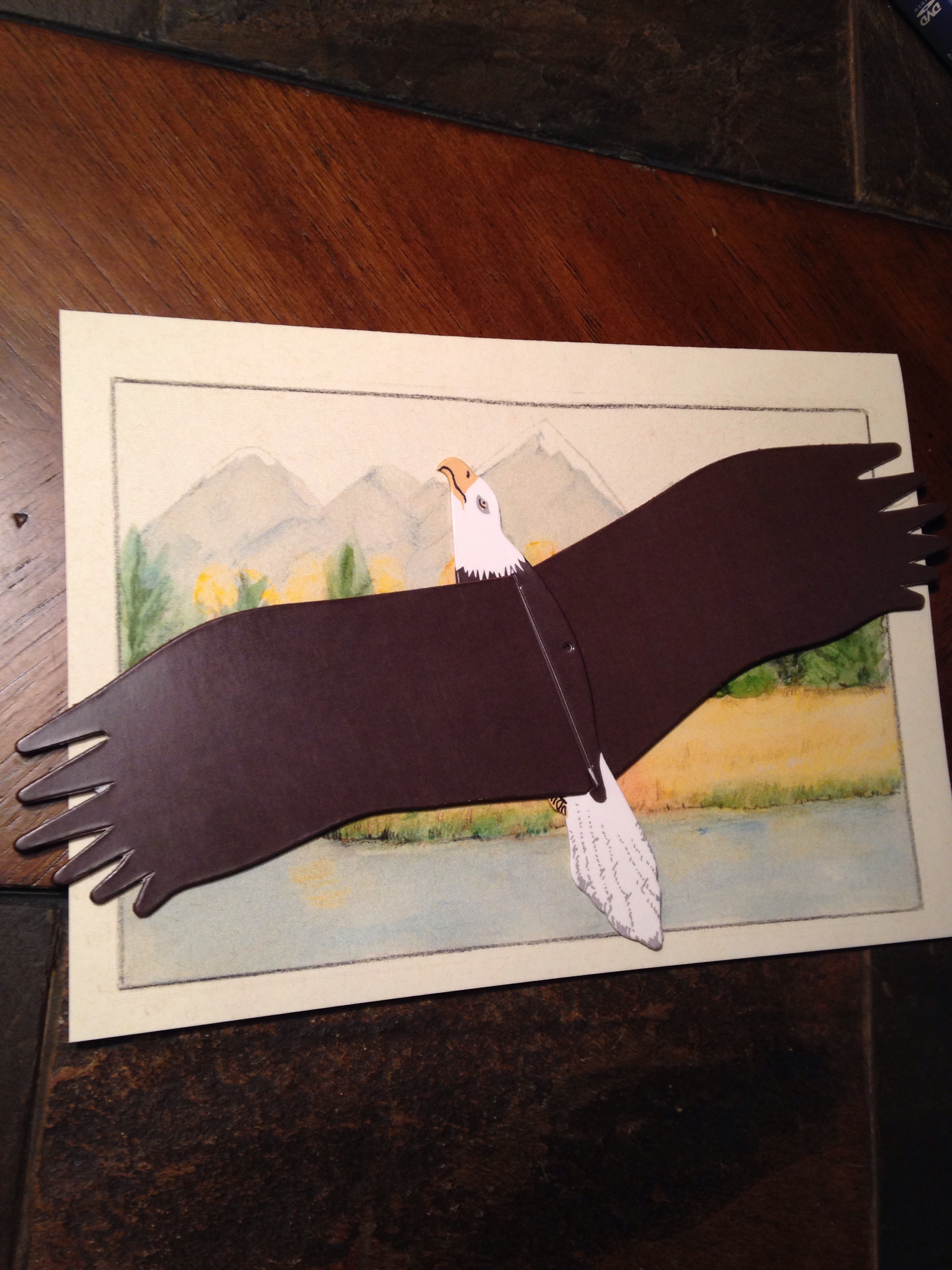
I always spin it into a positive direction by showing her examples of people, products, and companies that consider conservation and try to better the world. This card company, Skyflight Mobile, is one of my favorites for providing information about birds native to the U.S.

I explained how important it is to care for our natural areas and wildlife–that is service to the earth and the future people and animals who will live here. I told her about the Audubon Society’s Christmas Bird Count. These are free events to help the Audubon society with bird counts: “All Christmas Bird Counts are conducted between December 14 to January 5 inclusive dates each season. Your local count will occur on one day between those dates. Participate in as many counts as you want!” Open to families and new bird enthusiasts, as well as experienced birders. She was curious and said that she’d like to maybe pariticipate next year, but this year, she already has plans.

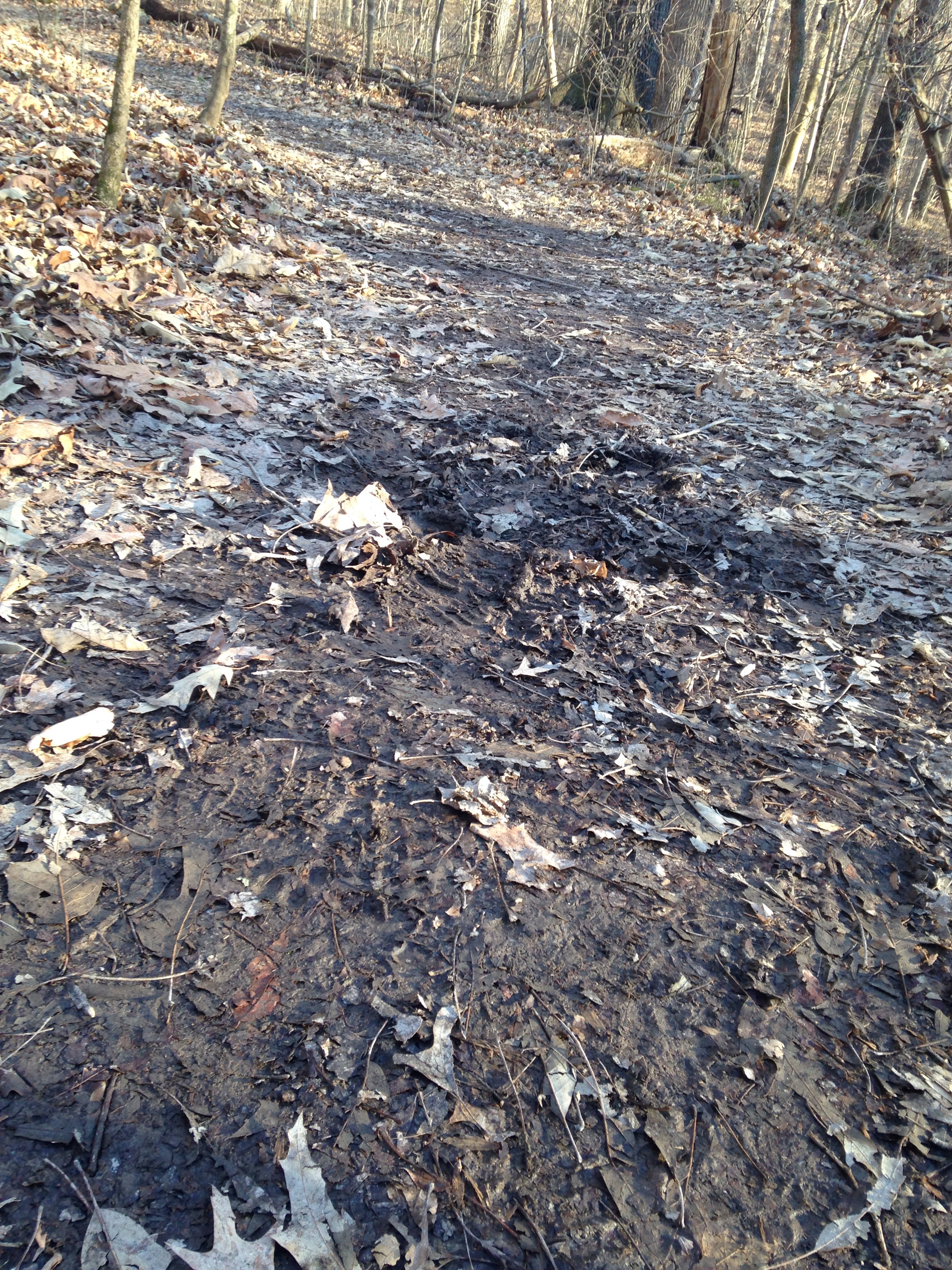
Mulch for these trails--they need it.

Mulch for these trails–they need it.


Yesterday, on the 31st, our act of service was dropping off the Christmas tree so that it can be turned into mulch for the trails at the park where we are always overjoyed to hear and/or see the owls, cedar waxwings, great blue heron, the sparrow hawk, kingfisher, pileated woodpeckers, and our many bird neighbors.

On this first day of the year, after 30 days of taking a close look and participating in a variety of service activities, this project was a wonderful way to show Zoe different ways to give and the wide range of feelings confronted during the process of giving.

The Path of Selfish Giving & Meditative Techniques: Part 5 to What is Service? What is Generosity?

Photo by Felipe Hadler

Photo by Felipe Hadler

Last week, my daughter and I continued our service exploration, and I had the opportunity to contribute to some national organization about which I previously knew nothing.

Like many women enlisted as a bridesmaid, I had a champagne pink formal from a wedding, with 6-inch heels to match, hanging in my baby’s closet. I was never wearing any of that again. I googled, “prom dress donations to girls” and discovered Becca’s Closet. Plenty of girls gaga over pink would love this one-shouldered satin dress with Vince Camuto heels. I also let my friends and family members know that I would deliver dresses, accessories, and jewelry. I picked up dresses and jewelry (Days 15 & 17). My husband even picked up some dresses when I lost my car keys. And that was the biggest lesson Zoe learned from those prom dresses, keep giving and asking for help because many people will help you to give. Then I showed her the photographs of girls in dresses, and she asked, “When can I get a pair of high heels?”
Uh, yeah, lesson learned :-/

Cue the discussion about selfish giving. “I participate in it all of the time,” I admit to her. “It’s kind of the easiest type of giving for a lot of people because you get something in return and you know that you’re getting it.” I explained that I enjoy supporting the arts because I so often receive a performance or free tickets to something for giving to theater, dance, and music companies. I also explained that many of those programs receive less and less federal funding, so sponsoring the arts ensures that artists have jobs. It goes beyond that, but it’s difficult to retain a 7-year old’s attention about federal funding and such for more than 7 minutes (if that).

So, I explained by example that her Dad and I were going to a benefit concert (Day 18), and while it benefitted Nashville-area veterans and at-risk children, I wanted to go because I would get the opportunity to see some of my favorite musicians (Brendan Benson & Jack White) play music at one of my favorite venues (Ryman Auditorium). Totally selfish giving.

And in that moment of selfishness, I learned about the David Lynch Foundation and transcendental meditation.

What Brendan Benson said about transcendental meditation during the concert: “I believe it’s addressing the source. I believe If you can achieve inner peace, you can achieve outer peace.”

For one summer ten years ago, I taught literature to high school students who were planning to become first-generation college students. They were participating in a university-preparatory program. At first, we didn’t connect at all, and then I just followed my gut, took a major leap, and had them practice a meditative technique in order to try to convey the concept of symbolism to them. I had practiced meditative techniques for about five years, and I was a grad student who had been teaching writing in a developmental writing course. I teetered on the edge, waiting, when they opened their eyes. Would they call me crazy? Were they asleep? Amazingly, it worked, and they wouldn’t shut up about symbols and meaning, metaphor, hyperbole…you name it–they did get the concept. I began to teach a variety of meditative techniques in connection with literature. Every day we met, the students asked me if we would be meditating. I was in shock. They read, they wrote, they arrived early. I’ve never taught that way again, but I always knew something exceptional happened in those classes that I’ve never been able to recreate by other traditional classroom means. While I haven’t been trained in transcendental meditation yet, I do know that the practice of meditation changed my life.

The David Lynch Foundation puts transcendental meditative programs into public school as well as working with the Wounded Warrior Program and many local organizations. Meditation in schools and helping veterans–that gave me a greater feeling than rockin out at the Ryman.

And don’t read my stuff anymore right now, read theirs, read about transcendental meditation and the David Lynch Foundation.

From the David Lynch Foundation website:
Operation Warrior Wellness:
building resilience and healing the
hidden wounds of war
The nightmare of post-traumatic stress disorder (PTSD)
Over half a million U.S. troops deployed since 2001 suffer from PTSD. Yet less than 20% will receive adequate care due to lack of effective treatments, fear of stigma or insufficient government resources. Half of those with PTSD won’t receive any care at all.
Left untreated, PTSD cripples functioning and places veterans at great risk for violent and self-destructive behavior, including:
Alcoholism or drug abuse
Severe depression, anxiety or emotional numbness
Family and employment problems
Suicide—today, more than 6,500 vets die by suicide every year
Creating resilient warriors
Operation Warrior Wellness (OWW), a division of the David Lynch Foundation, offers the Transcendental Meditation-based Resilient Warrior Program, a simple, easy-to-learn, evidence-based approach to relieving symptoms of PTSD and major depression and developing greater resilience to stress.
Since its initial launch in 2010, the OWW initiative has partnered with leading veterans service organizations, Army and Marine bases and VA medical centers across the country to deliver the Resilient Warrior Program to veterans, active-duty personnel and military families in need. The initiative also partners with military colleges to create a new generation of more resilient officers.
Evidence-based relief from the epidemic of mental injury
The TM-based Resilient Warrior Program has been extensively researched by over 340 peer-reviewed studies, including over $26 million in grants from the National Institutes of Health to study the program’s effectiveness for reducing heart disease. Key findings include:
40-55% reduction in symptoms of PTSD and depression
42% decrease in insomnia
30% improvement in satisfaction with quality of life
25% reduction in plasma cortisol levels
Decreased high blood pressure–on par with first-line antihypertensives
47% reduced risk of cardiovascular-related mortality
View references for these findings

Positive & Negative Responses to What is Service? What is Generosity?: Part 4

My daughter’s approach to service has been both positive (“what are we doing for service today?”) and negative (“do we have to drop it off today? I want to play on the computer.”). She has these responses to most activities, even those she loves like gymnastics.

She has learned that many of our activities involve organizing. Some days, organizing and transporting are the service. I’ll spare you the daily details of organizing, sorting, and drop-off for local non-profits and shelters that help families and children (Days 10-14).

Zoe has learned how many people must cooperate to get donation items, drive the donations to the pick-up person, drop off at the non-profit, some of which are in undisclosed locations in order to protect the women & children in the shelter. That was a complex lesson to communicate–that some families need protection from people in their own family who would harm them. She was ready for this knowledge and asked the questions, but she continues to question why people need to hide from their family members.

A wonderful positive gift happened to show Zoe how much people value it when someone does a good deed for them. After her failed cookie delivery to our neighbor, Zoe wanted to take her cookies the next day. I baked apple buttermilk muffin cakes, just in case those chocolate chip cookies weren’t the best, and Zoe marched to our neighbor’s house with the goods. She thanked Zoe, who skipped proudly back to our house. The next day, after making a pick-up of donated items from a local church, we arrived at home to find a Christmas bag hanging from our front door knob. Our neighbor left Zoe (&Silvie) some Christmas treats with a card that said, “An unexpected gift is the most precious.”

Zoe was thrilled. She said, “sometimes if you do something nice for someone, they can do something nice back for you, but they don’t have to. It’s not good to do something just cause you think you’ll get something. That’s not the best way at all. It causes trouble.”
Made me laugh. “What kind of trouble?” I asked.
“Thinking you’ll get something and then waiting around for it. Just waiting and waiting–that’s not a good feeling and will make some people mad at the other people. Like if they don’t get what you were thinking.”
“Good for you to learn that now,” I said. “You know it took me much longer to learn that–”
She cut me off, “Okay, I get it. Can I play a computer game now?”

Even though I know she’s only going through the motions at times, I am as well. We have our positive days and we have others when we have to force ourselves to fulfill obligations. Thankfully, we’ve enjoyed more positive giving than the tiredness that sometimes controls us.

Next week, we’re connecting with some national non-profits, so I’ll blog about those next.

What’s your approach to service in your community? Do you involve your family? If so, what are your positive experiences? And, how do you get through the negative days?