Reverence for Roots

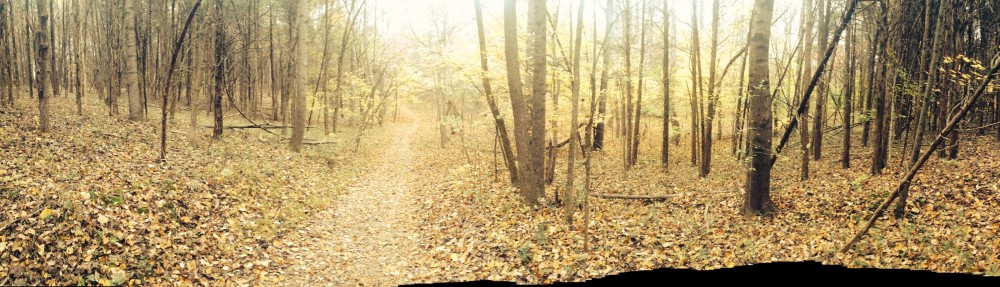
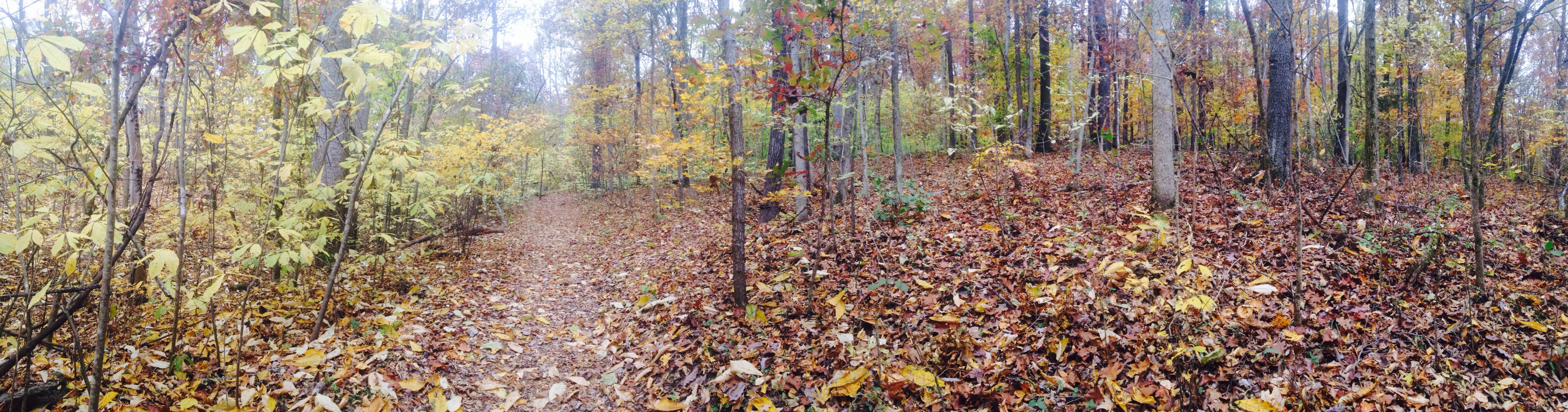
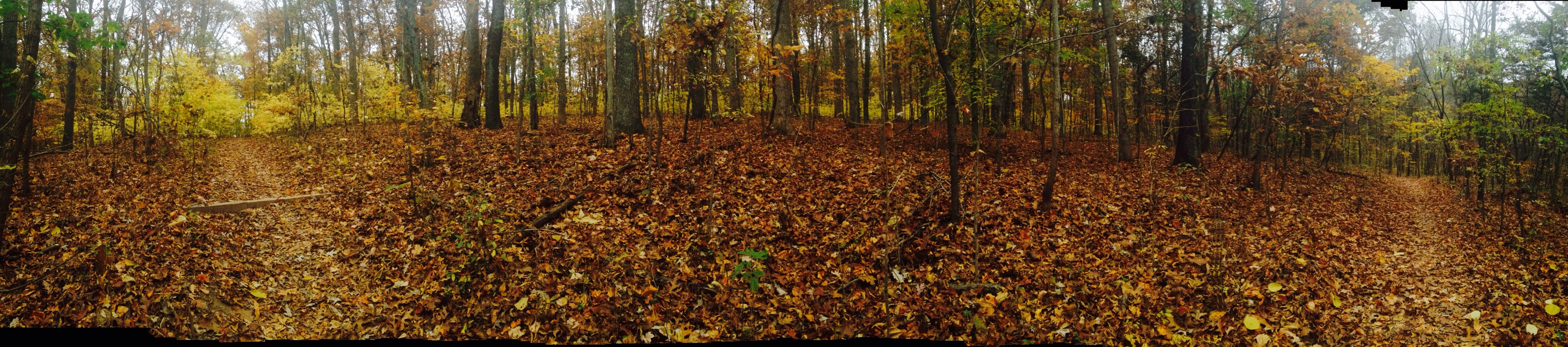
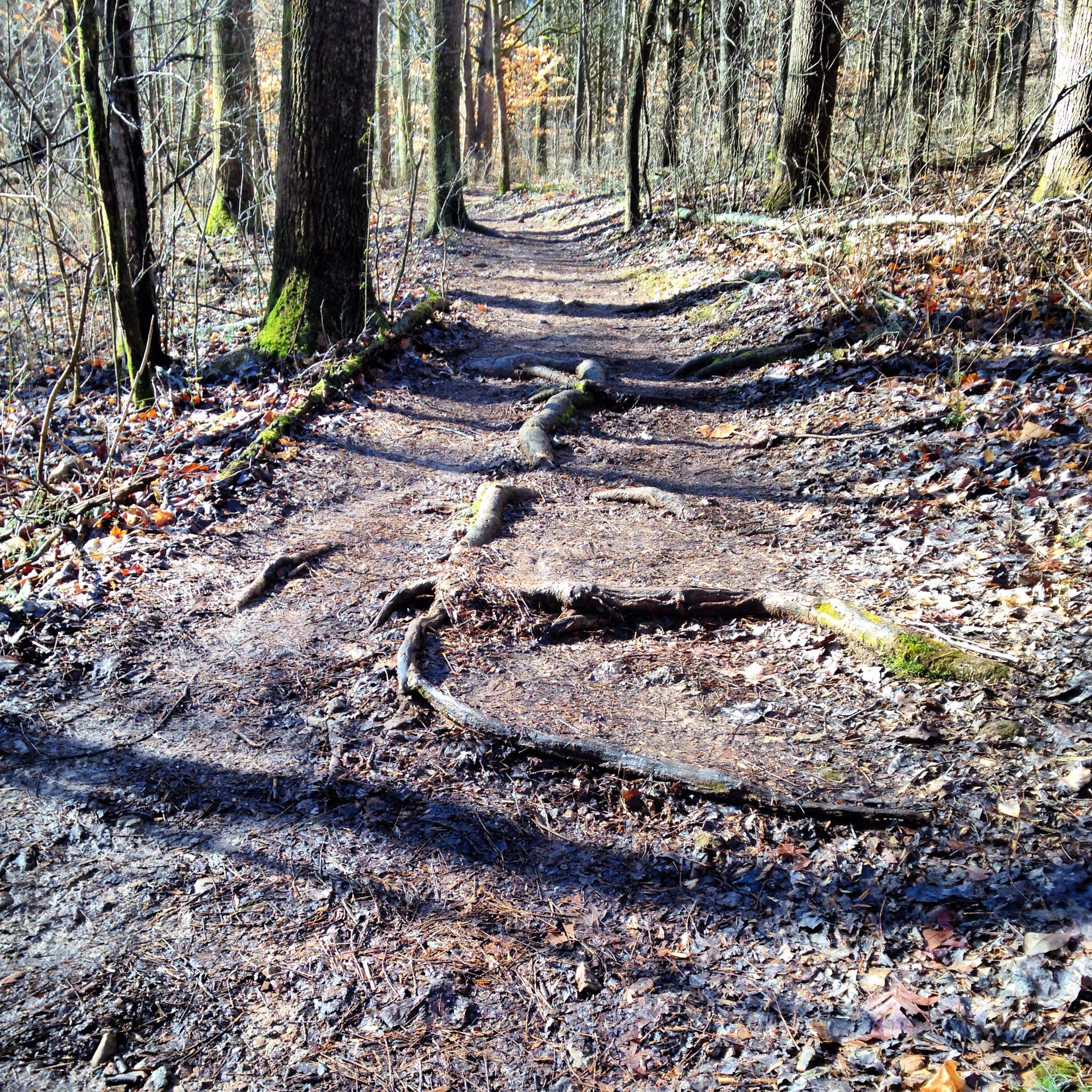
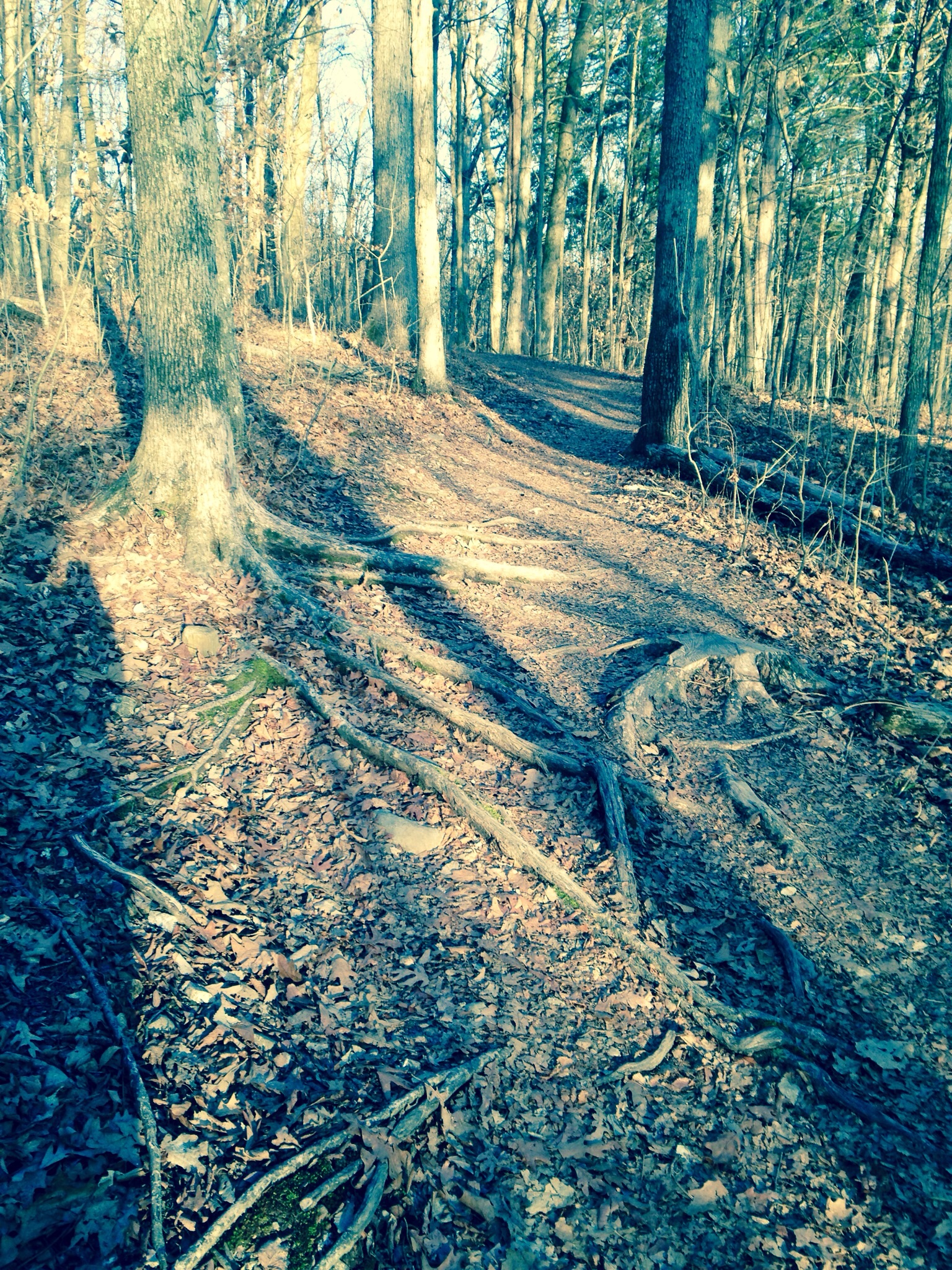
image Roots are symbols of anchoring and messaging. They hold on, even as they send information and stretch out. The metaphors for roots go on and on…There’s a reason people focus on “roots”– from novelists to conceptual artists and musicians. Returning to our roots honors our history and the foundations of the past–where we come from–our nourishment from the nutrients we absorb and the genetic code we received through these lines. We want to be rooted in some ways, whether that’s to a literal place (home) or support system (like plant roots) as well as a food system for survival (and enjoyment). We want to learn from the roots of music, literature, and the arts. We develop appreciation for the paths.
image
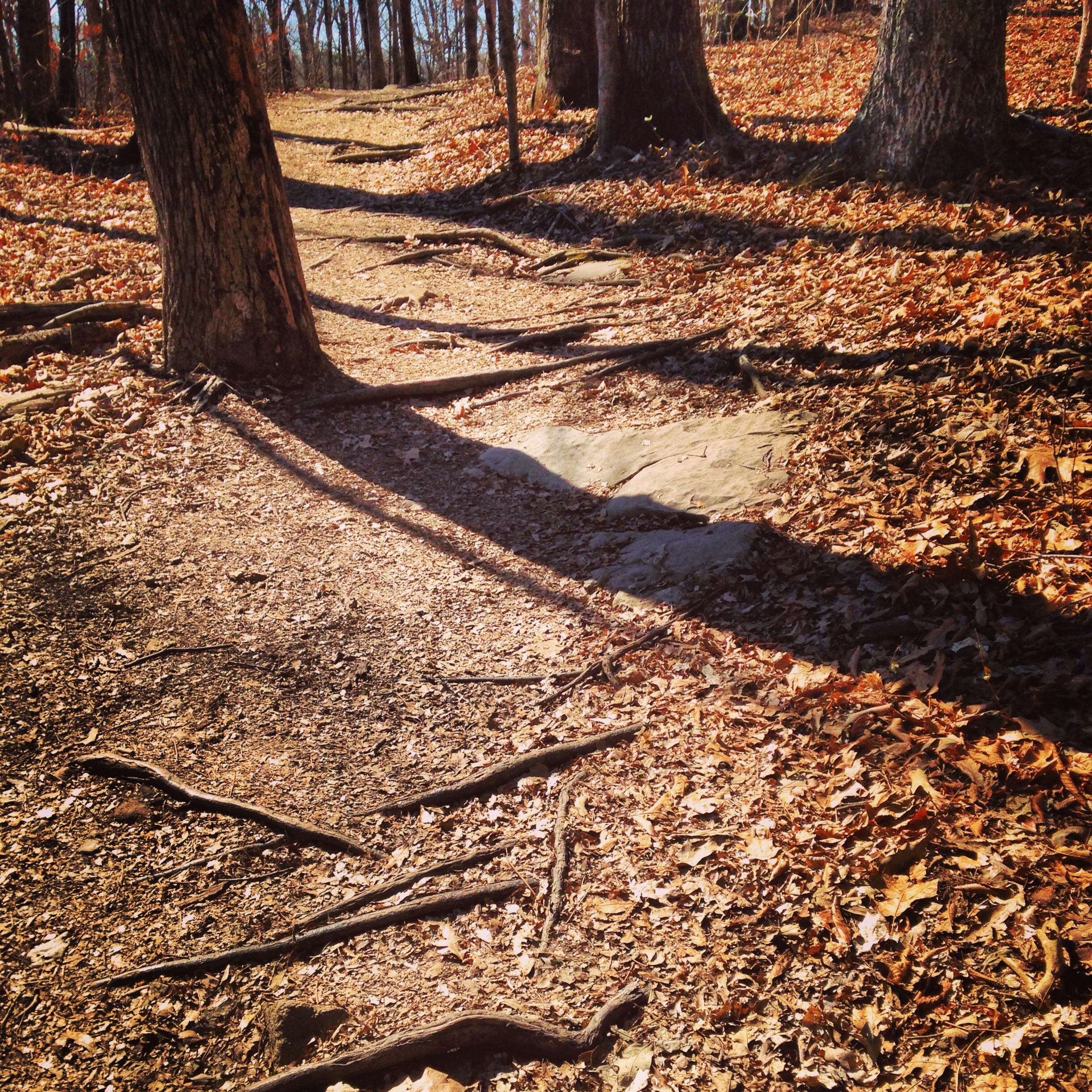
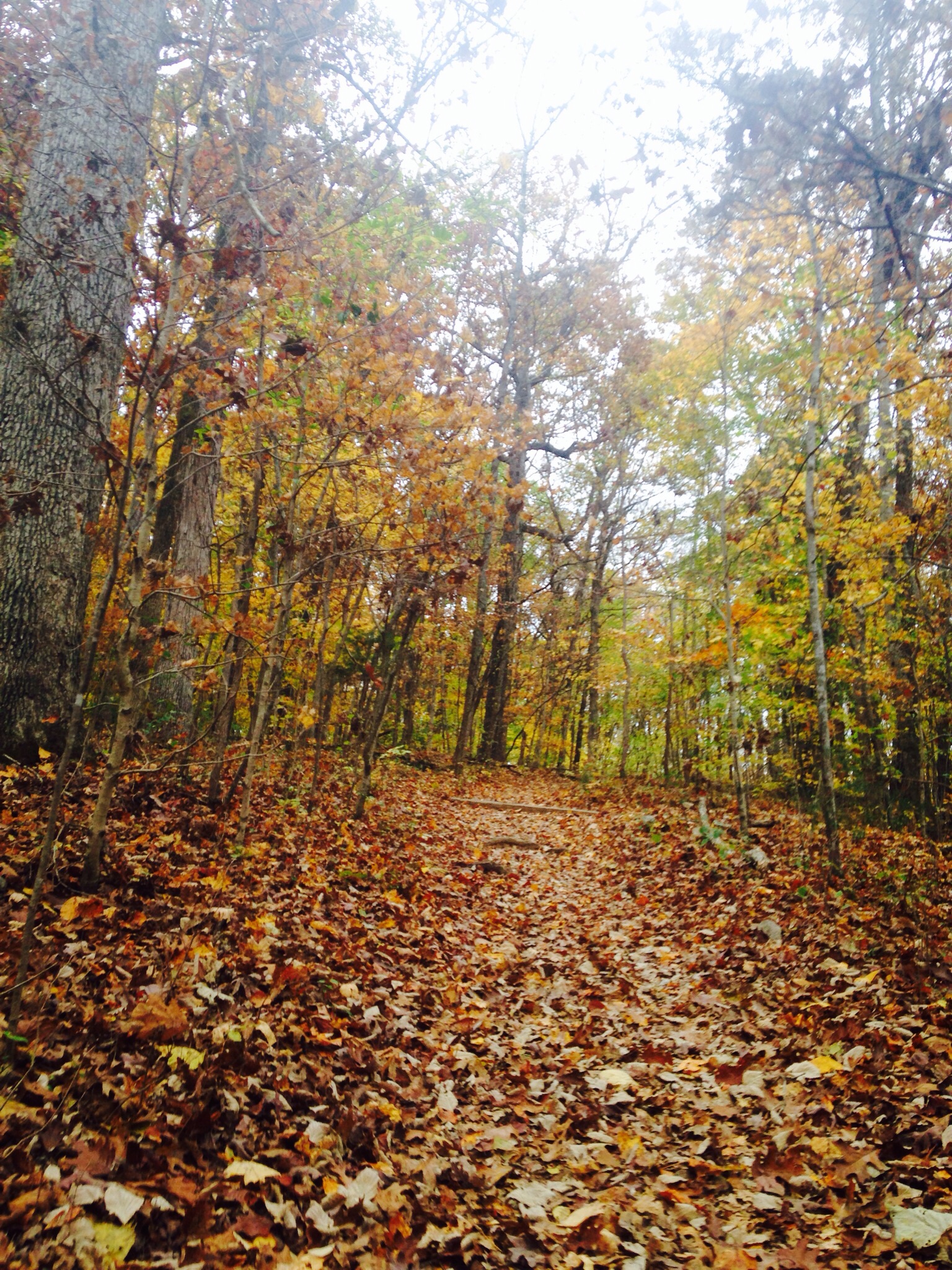
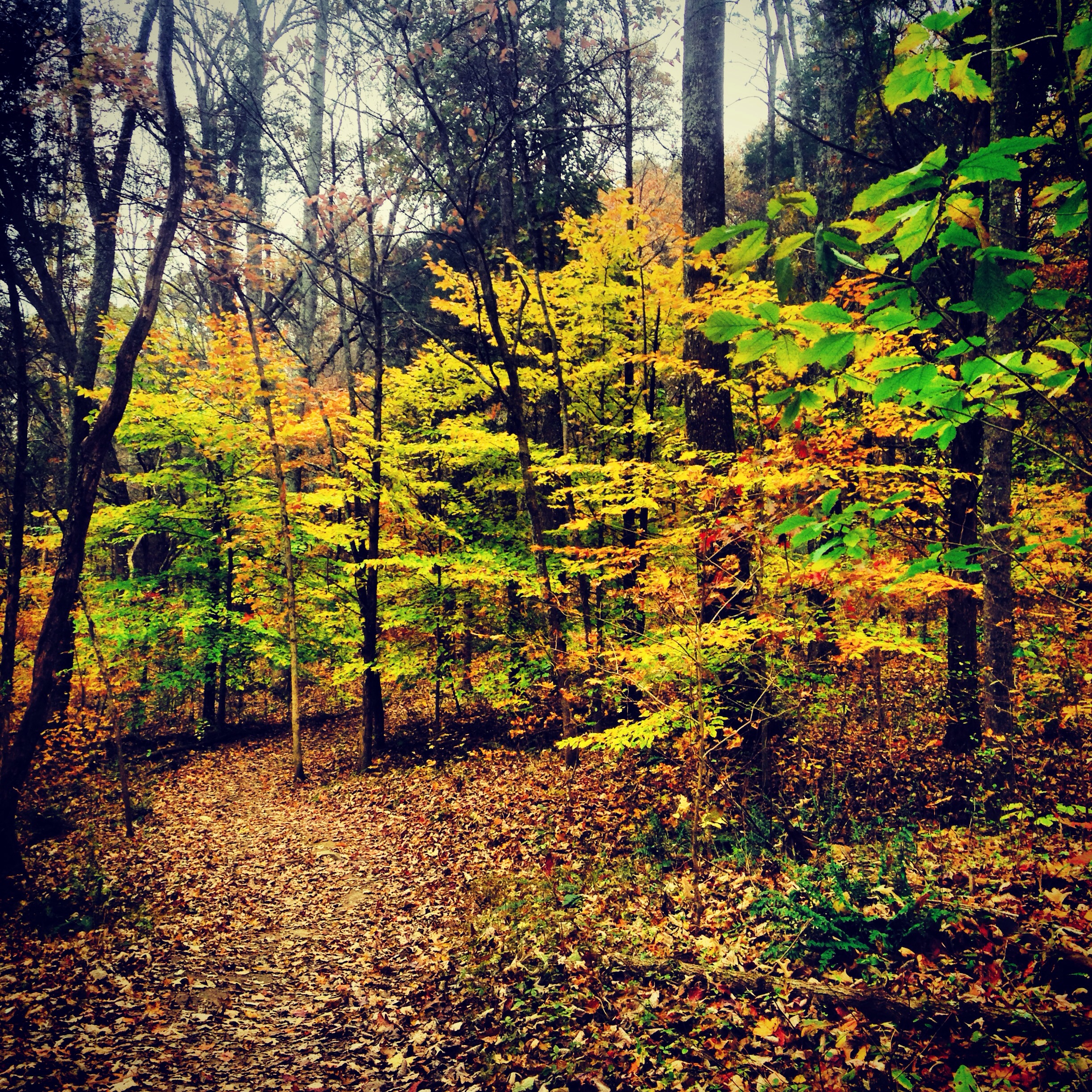
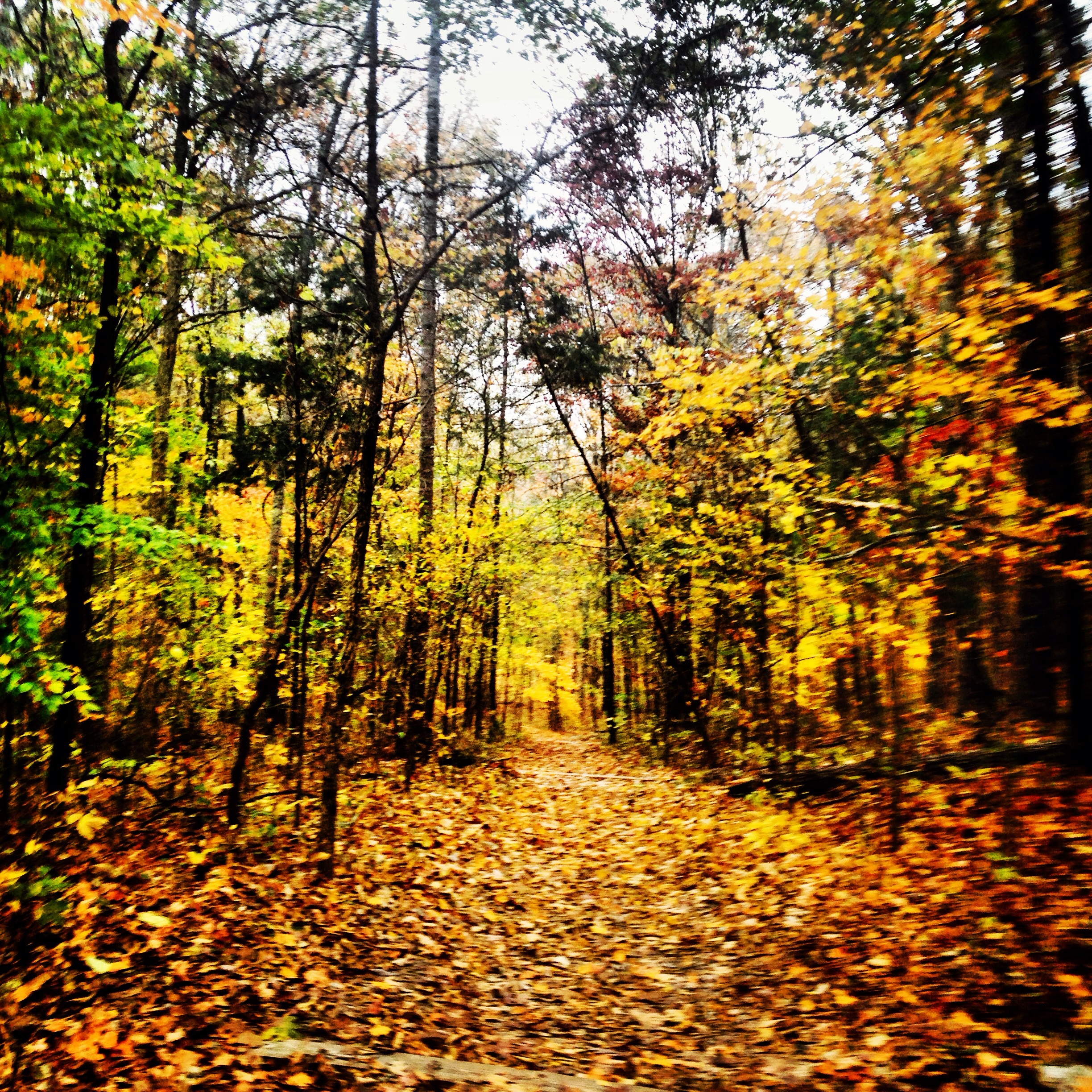
Roots are worthy of our attention, study, and reverence. The roots force me to watch where I’m running on the trails. Getting out of the flickering and streaming of media and consumption and into my own focus and creativity requires just being–where I am at that exact moment–on a trail.
image
For these reasons, I am in awe of the lifeline of the trees–their ability to form trails, to move the earth with gentle force. I also like the way that their impact remains even if the tree dies or is removed.

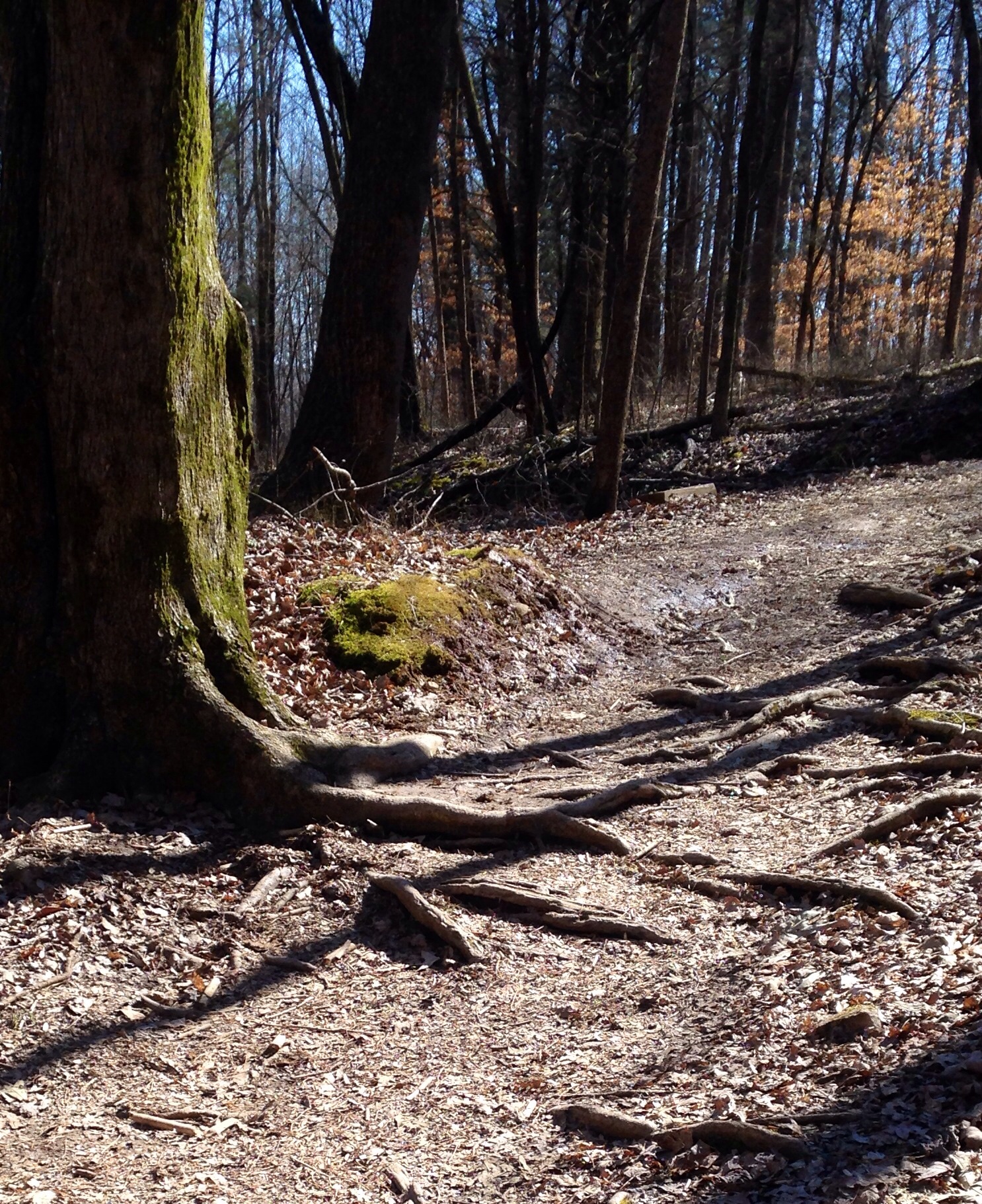
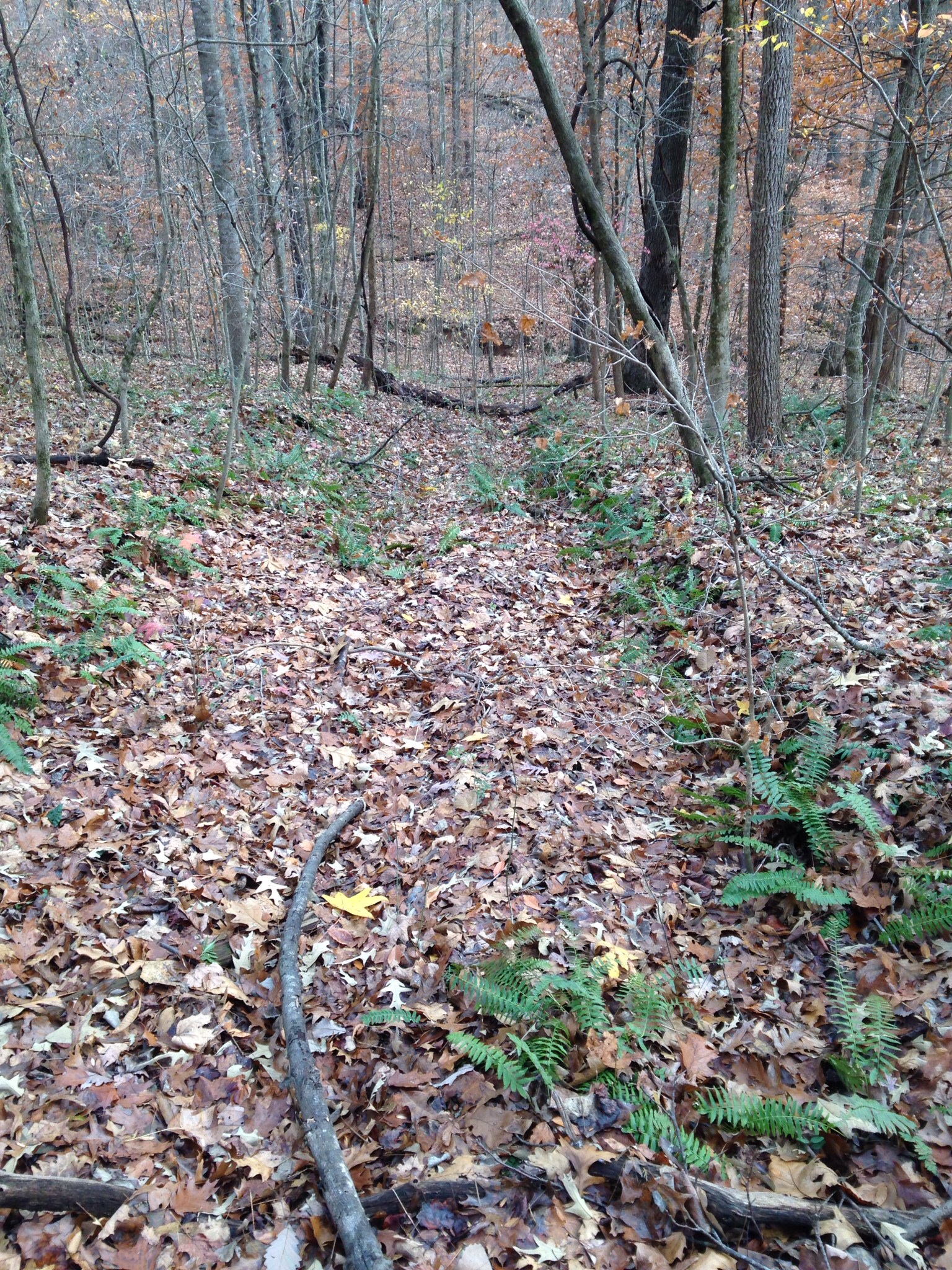
In fact, the roots themselves stay in tact after the tree no longer towers above. The anchors remain. They whittle themselves down to little knobs, and on a well-traveled trail, they’re polished and shine in the sunlight.

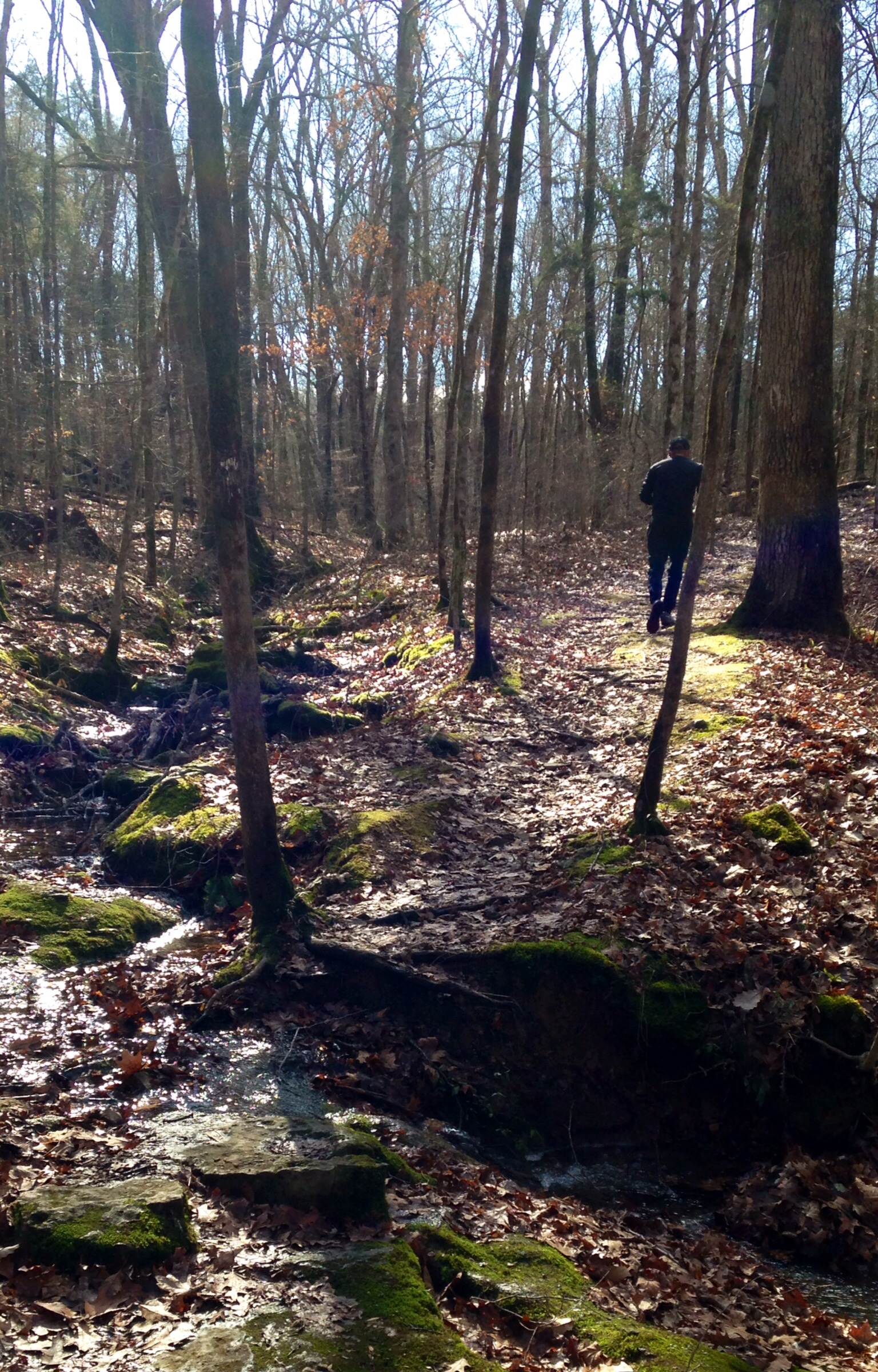
They share and entertain (intertwine) themselves with stones, moss, and plants. They yield to entryways for animals. They work with water. They’re in motion even if you think they’re sedentary.
imageimage


The great blue heron is a source of inspiration. I see the heron’s legs as stable and rooted while it fishes along the shoreline. I view the heron as a running totem, even if it is very still at times.

Don’t be Afraid–No one is Chasing You: You are Free to Run

Almost Springtime. Everyone who used to be a runner, wants to be a runner again or from a fresh start, and/or who made a resolution to do the couch to 5K or more is out trying to run. Some of you are on the trails. You are getting beat up. I hear you say, “I hate the trails,” to your friends who agreed to help you run again or to run anew. I heard one friend respond, “Just pretend like someone is chasing you. That will help you keep running.”

Ah! As a person who has suffered from various anxiety issues since the age of 13 (panic attacks, hyperventilating, vomiting in stressful social situations–all PTSD-related reactions), I definitely do not need to imagine someone chasing me through the forest. I’ve worked relentlessly to overcome my anxiety, but it never completely goes away (so I run). And as a person who feels at home in the forest, I want others to love the trails as much as I do. I want new runners to continue running the trails. I’ve been on them for 6 years. I lost 70+ pounds after my first child was born. I completely changed my diet. Running trails freed me, but I needed the correct thoughts to guide me.

Running is peaceful to me–alleviating all my stresses. I practice mantras while running and put myself in a meditative state so that I can run up to 25K on the trails if I feel like it. I learn from nature’s never ending classroom.

My best friend suggested I record videos about the meditations and mantras I use when I run. She also wanted to hear the sounds of the birds, the snow crunching under my feet in the winter, my breath, the creaking of the trees–all the sounds I describe to her (obviously, I don’t listen to music when I run). Even though Christy is a yogi, and she doesn’t run trails, she wanted to know what that meditative state could be like–she wanted to see and hear as if she were running with me. She also thought these could be helpful to others who want to run and need good thoughts to guide them.

These are the first videos I recorded for her and for my husband. I needed a specific audience to begin. Hopefully, you’ll enjoy.

These are the first good thoughts you should tell yourself when you run:
I am safe. I am free to run.

Grunt & Haul for Big Mama– A Gratitude Run

imageimage 
My expressions of gratitude happen everyday when I run–for the many taken-for-granted gifts of my life. I also say a special thank you for running–that I am free to run, able to run with my body, given the time to run, allowing my mind the space to run, and provided the safe, public places to run in the forest.
 
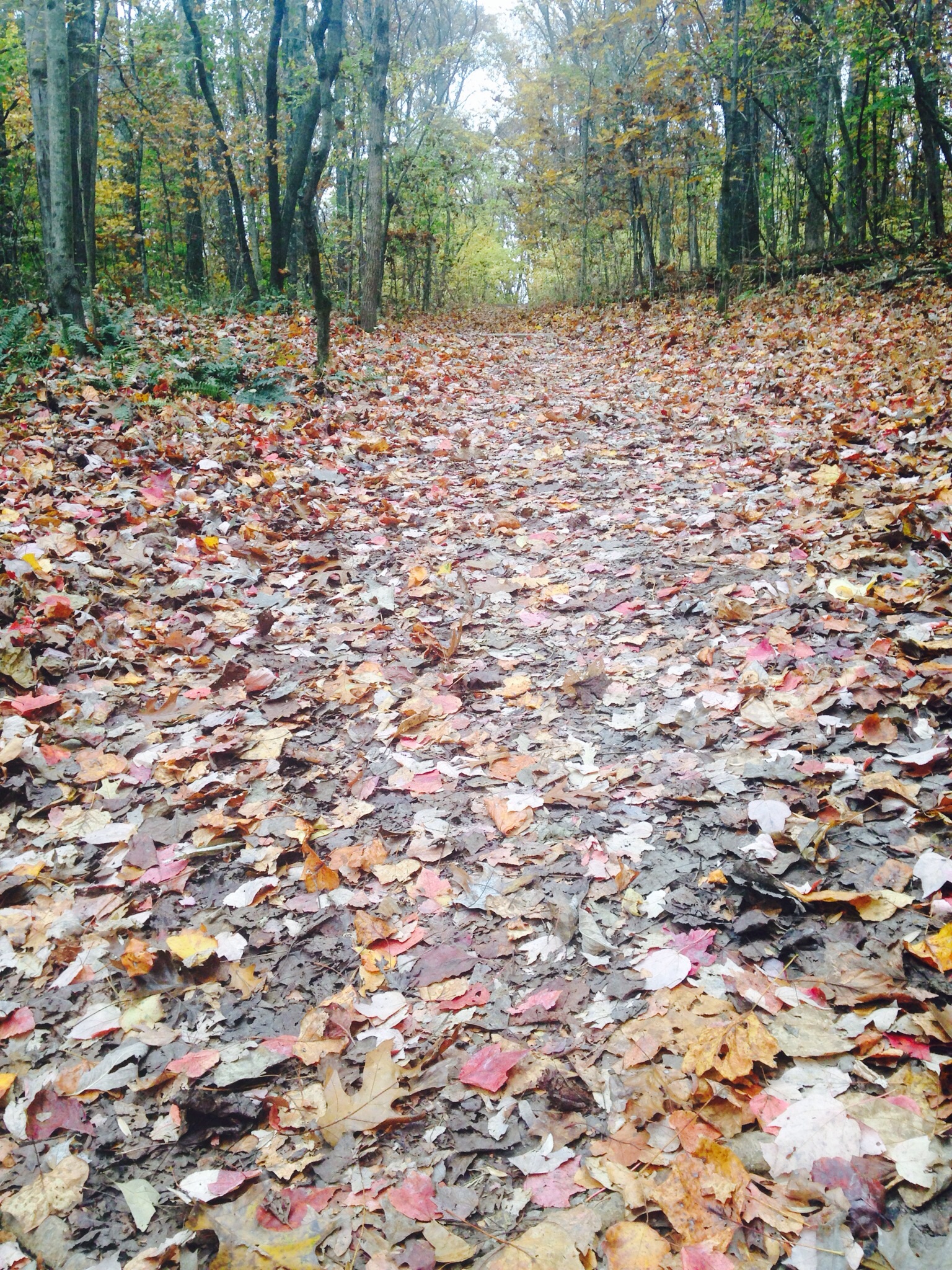
But, my highest gratitude is often reserved for the hill I call Big Mama. She teaches me more frequently than any person, book, animal, or event. She’s more than a hill–she’s an entity– her forest. Running Big Mama takes everything I have. She keeps going even when you think the hill has got to stop with the next stride. Even after you’ve curved past the bench and surmounted a second small hill tucked into the top of Big Mama, the hill rises into a cedar grove and finally, after about a full 4-minute climb, lets go of you on the rocky path littered with tree roots and fallen leaves. As if the height, rocks, and roots weren’t enough to make you do some serious thinking, the airflow is completely banished on the hill, like she has permanently shut the window. On the most humid days, she wears wool. 

The photo doesn't give you the full effect of the climb or slipperiness at times.

The photo doesn’t give you the full effect of the climb or slipperiness at times.


To me, Big Mama has a baby on her hip, and you need to dig your toes along the side of the trail to climb the next hill without rocks rolling underneath your feet and slipping you up. That “baby hill” will cause you to pop your chin on the ground while going up (it only seems like a baby hill when compared to Big Mama), and at the very least, baby will make your palms sting if you climb it enough times. Afterward, it’s a jarring downhill stroll, like your toddler makes, plummeting quickly. You’ll hammer all your joints in place.
image
image
I call the third hill Big Mama’s daughter. She begins with lovely dogwoods, fern-filled rolling ravines, and a wiggly path with refreshing winds, but then the pitch becomes steep and you climb the path like stairs and hop roots to the top. Weary–it’s time to twist and slide across the big stones, down, down, down to the flat path until climbing those hills again.
image
Big Mama and her daughters teach me about empowerment. Though I’m exhausted by running miles along her trails, I’ve learned what it means to be weak and strong, to be relieved of my anxieties, to be open to possibilities. 
When I run, I’m the most receptive to everything in life. I’m open to my mistakes, to correcting my relationships, looking at the challenges I face and the miles I’ve come to accomplish what I choose to be my goals. While I lose sweat and energy, I gain courage and understanding. 
image
Even as I don’t think I can do it again, I return to the foot of the hill. I can’t see more than her magnificence and height rising above me at that moment–I can’t see all that she sees and knows, not until I climb as high as my legs will carry me on the trail. And yet, there’s all that story beneath my feet, where I must look to keep my balance. So many stories to tell from the plants and animals and stones and minerals and water that make up the path–it’s place & movement that allow the imagination to grunt and haul a story into being. 

The hill lets me know that right away. 
I only forget it in being lost in the trails’ stories. 
image

Writing Words in Paint & Finding the Muse

Image from Customs House Museum The Words of Women exhibition

Last week, I carried a plate of paints up a 10-foot ladder (that felt higher) and chose words from a short piece of fiction that I created for an art exhibition, The Words of Women. The exhibition features writings by women who were mailed a “muse” and challenged to write from the inspiration discovered in the object. I had opened a small box in the mail and found an antique. I didn’t know what it would be, only that it was for a collaborative exhibition to celebrate Women’s History Month. The art curator Terri Jordan at the Custom’s House Museum mailed out ten muses to ten writers from Tennessee. And, I received a silver, engraved, double-headed eagle ring that slipped perfectly onto my ring finger.

I didn’t know what the others writers had received, nor did I know what style they would write. The possibilities were endless as long as it fit within the 1200 word-limit parameters. I didn’t find out what all of the other writers had received until the week before the exhibition when we began to paint on the walls—a pair of silk stockings, a small brown purse, a porcelain thimble, a snake brooch with emerald eyes, and an unmarked black and white photograph of a woman in her twenties living in the ‘20s, to name a few of the objects. There were more. We only knew what we could see, and we created from that.

But what? How could I write from an unknown object? That was the first dilemma, which was soon resolved when a character began to take shape around the ring.  But the toughest questions were to follow—how could I paint the walls? With text? With visuals? We had one week to paint whatever we wanted on our section. Enormously high, white walls. It was uncomfortable at times—the process, but I was caught up in a new creative space, and that became more and more evident.

What I discovered is that it’s crucial to take chances, to risk paint on the walls, and climbing to new heights in order to look from a different perspective. On the night of the opening, terrible storms raged all around us and prevented some friends from attending, but the comments we received were surprising and encouraging. “This is a brave show.” “It’s good to try something different. To start something new.” And, it wasn’t uniform. Writers merging with visual arts? It confuses the mind. There was the question, “why not have visual artists interpret the work of the writers, instead of having the writers paint on the walls?” And, I finally understood why some artists don’t particularly want to write their biographies, don’t want to write artist’s statements, or discuss their process using narrative.

Yet what was remarkable for me was that my process was affected. I edited. I rewrote. I wrote more that didn’t make it into the final print, but that didn’t matter. And, I wrote differently. I think the other writers were challenged as well.

The writings varied—poems, narratives, personal reflections about the receipt of the muse. The words on the wall also reflected our different approaches and styles. Mitzi Cross swirled a giant, diamond-backed rattlesnake onto the wall. Amy Wright stopped in like the Buddha, grabbing up the paint and brushing HOPE onto the wall, then shaping the remainder of her poetic line around it; she finished in a couple of hours one afternoon. Cindy Marsh used the letters from the Goldsmith Press and stamped a few hours here and there for days. Rebecca Beach said that she had two things she could draw, and a tree grew on the morning of the opening as the end result. Melanie Meadow’s Threads of Grace narrative twined through recognizable places in the town. Story after poem, after inspiration, moving around the gallery walls to read them all, to stand in front of the muses.

When I read Traci Brimhall’s piece about Kalamazoo’s Artifactory, I noticed the similarities and was reminded of the importance of exhibitions that celebrate community history, as well as visual and literary history. Layering gives more to the viewer, the reader, and the community.

The Words of Women exhibition is open at the Customs House Museum in Clarksville, TN, through the end of April. There’s a full schedule of events for the next two months, so check the Museum website for details.

This Thursday, March 8, I’ll be reading with friends and writers from the community at the Museum for a Writer’s Night, beginning at 6:30.