A Child’s Joy for Skates, Pizza, & Cookies: Part 3 to What is Service? What is Generosity?

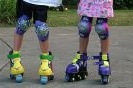
image“Roller skate! Wheeee!” Words I hear often. Day 6, I decided to implement an initial phase for several projects because many require planning and coordinating with other organizations and people. Zo cleaned out her clothes and toys, making donation piles. We went to the mall and picked out an angel from the tree. Zo chose a girl her age who wanted roller skates.

We began shopping for the roller skater’s clothes, and Zo needed pants since she had outgrown all of them. (Already, I noticed the timing was working out in magical ways.) In the first store, a woman asked if Zo liked a pair of pants and explained that she, too, was shopping for her angel and the girl wore the same size. Zo shriveled her nose at the pants the woman had chosen. “Good thing I asked you,” she laughed. I wasn’t satisfied with the store and suggested another to Zo. We continued to shop and bumped into the woman again along the way, and Zo helped her choose a couple of shirts for her angel. We said goodbye again, and decided to finish some Christmas shopping. After a round of receipts with survey offers, we circled back to finish at the same store and met the same woman as she tried on a jacket–“finished shopping for my angel and decided to give myself a little gift, too,” she said. We laughed. “Merry Christmas,” I told her, waving goodbye in disbelief that I had enjoyed the shopping experience (usually, one of my least favorite things, & I didn’t have anxiety, or feel like I needed to run out of there–it was a holiday miracle!). Imagining the roller skater in her new kicks was the perfect motivation.
image
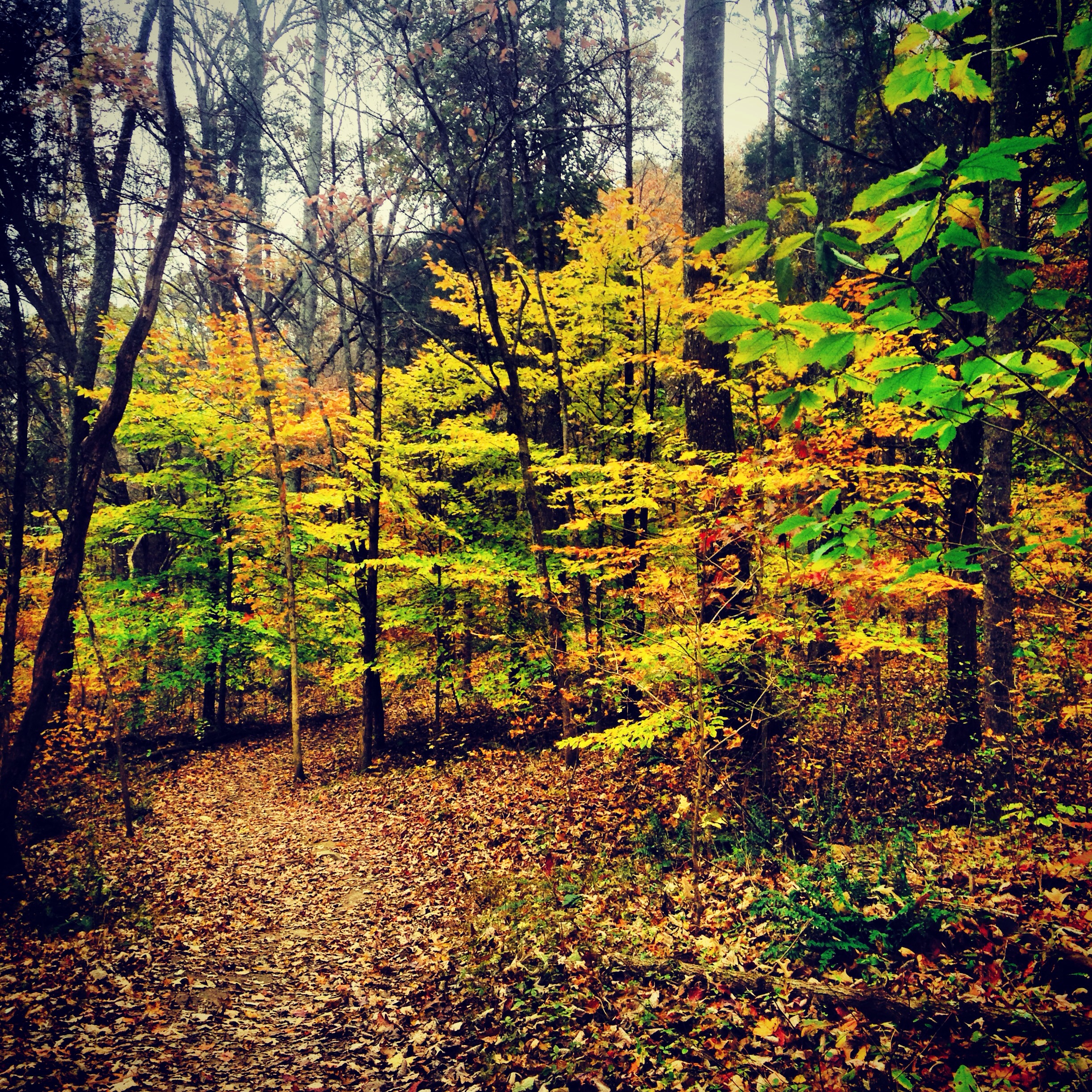
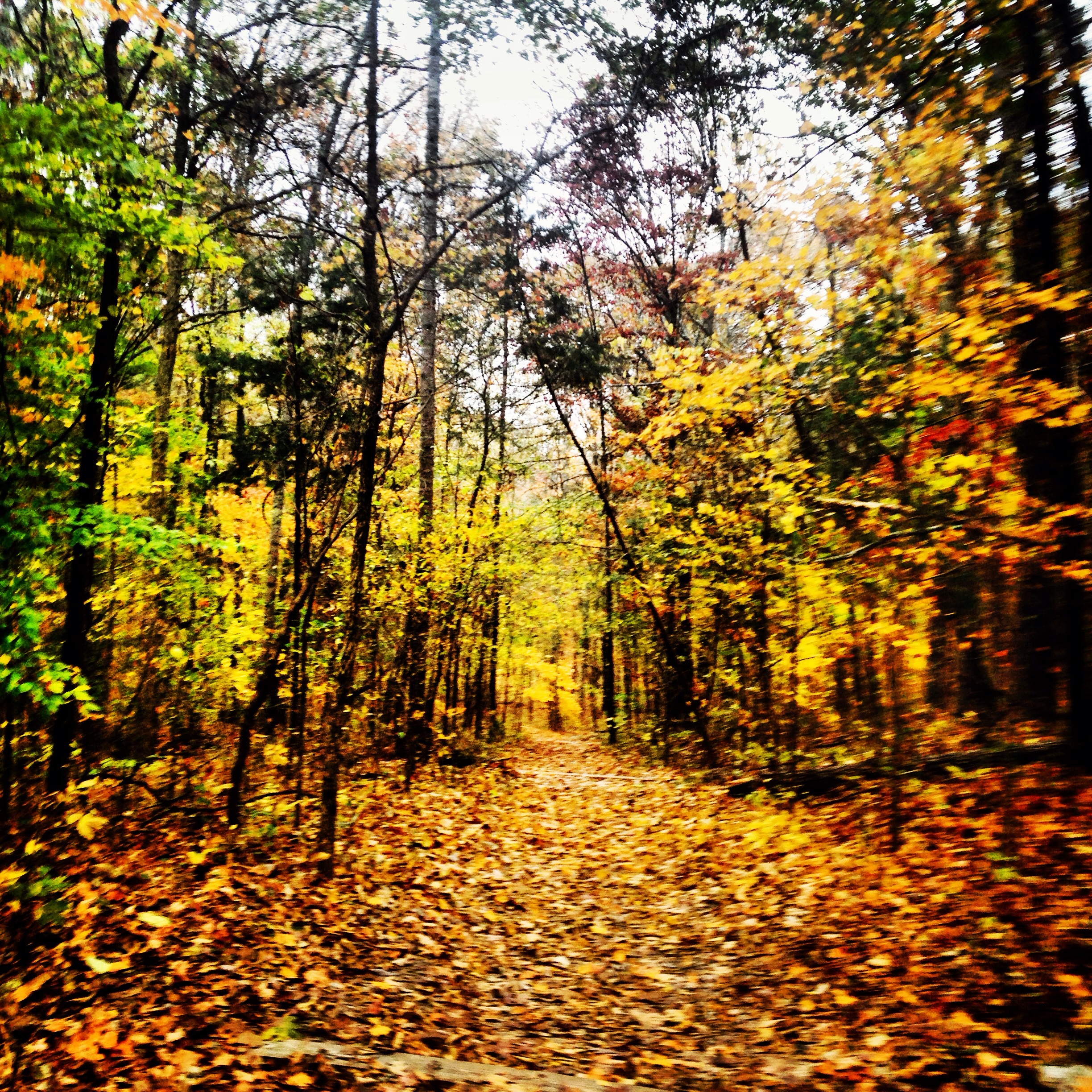
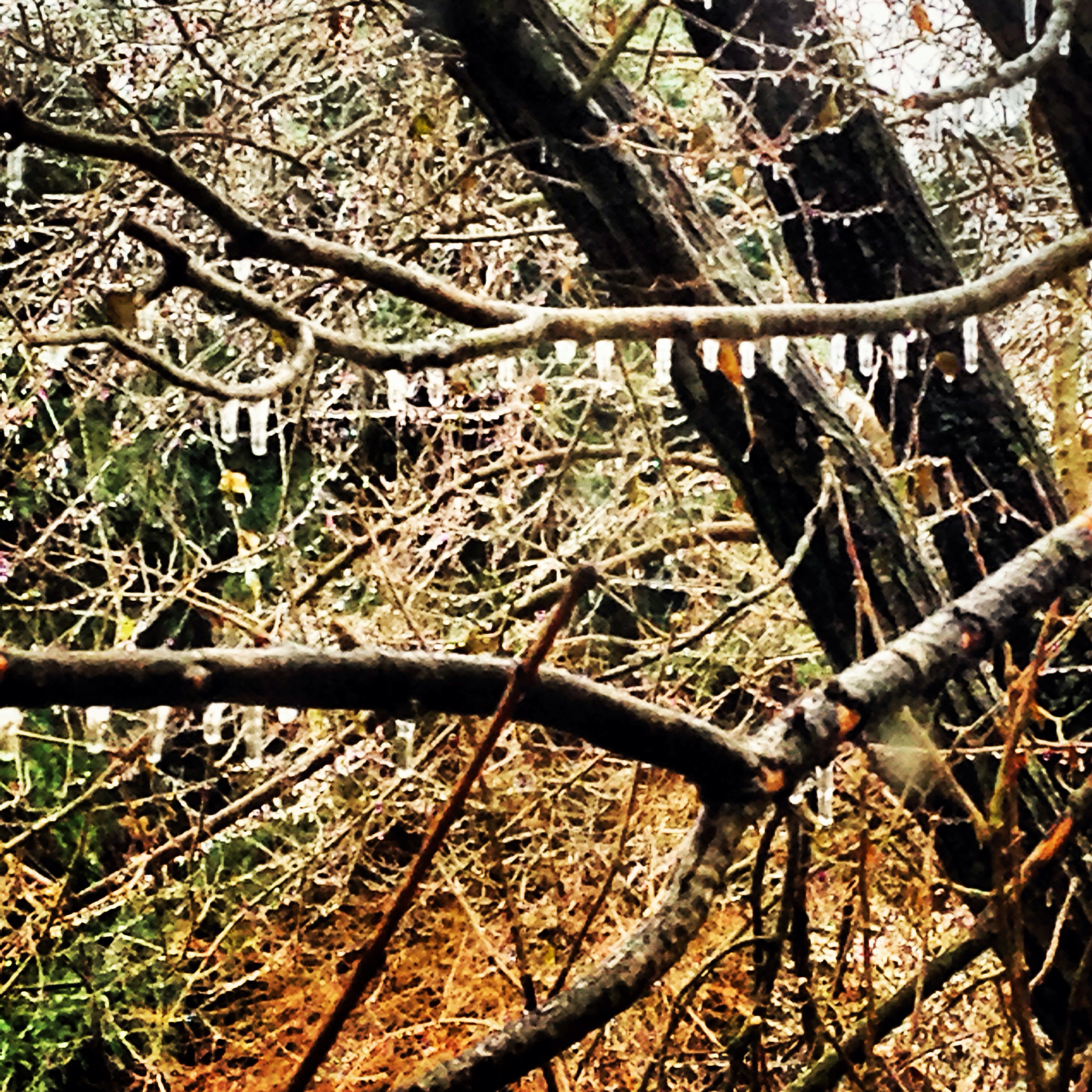
“Let’s go already!” Day 7, Zo woke up and asked if we were still going to serve food that evening. She asked all day. She made us crazy until we threatened not to go. (Wait, we realized that punishment wouldn’t work if we wanted to encourage generosity.) On the way to serve food to the homeless at a local church, the trees were heavy with ice and sparkled in just the right light. The sky was becoming grayer and it absorbed the outline of the ice. Photos were difficult to take. Zo tried to take them in the car–blurry trees, pavement in motion, reflections of her frustrated face on the window.

I was concerned about the forecasts for an ice storm, another round, that evening and early morning. I coached myself to find joy. Find inner joy and, without being shrill, emit that with soft, helpful energy.
image
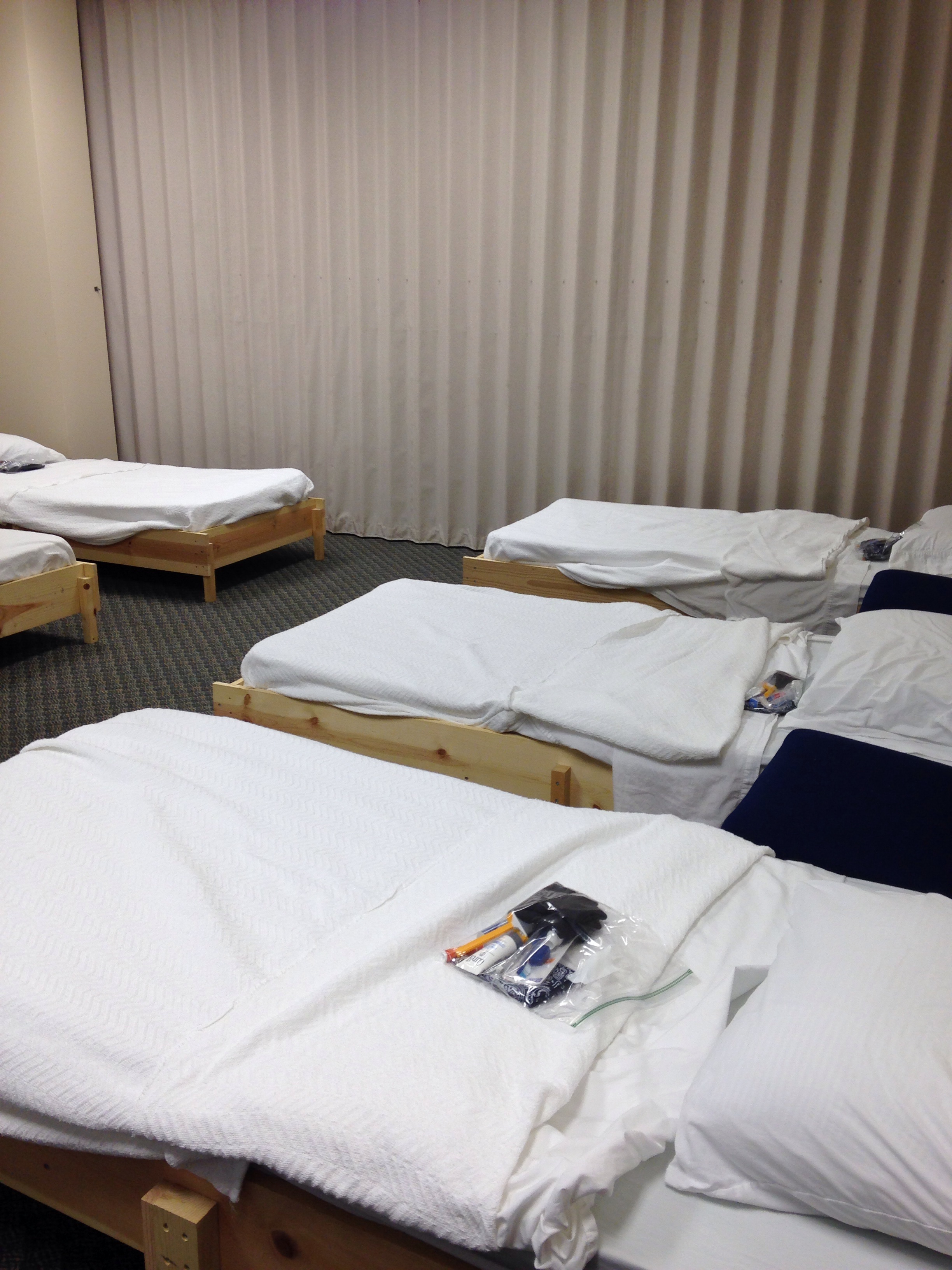
Making up beds at the church, Zo and I took one room of small, wooden-framed, twin beds, low to the ground. A group of teens made up beds in an adjoining room. As we spread on clean, white sheets, pillowcases, and comforters, I thought about blessing the future sleepers with good dreams, safety, and warmth. On a cold night such as that, (or, any night) I wouldn’t want to consider sleeping on the street, under a bridge, on a bench, slumped against a tree, in an abandoned home or car. Zo placed care packages of body care products on each of the beds. Though it didn’t turn out to be much of an ice storm, it was cold enough to keep the trees frozen in a slick bubble layer, & that’s too cold to lie down outside to rest.

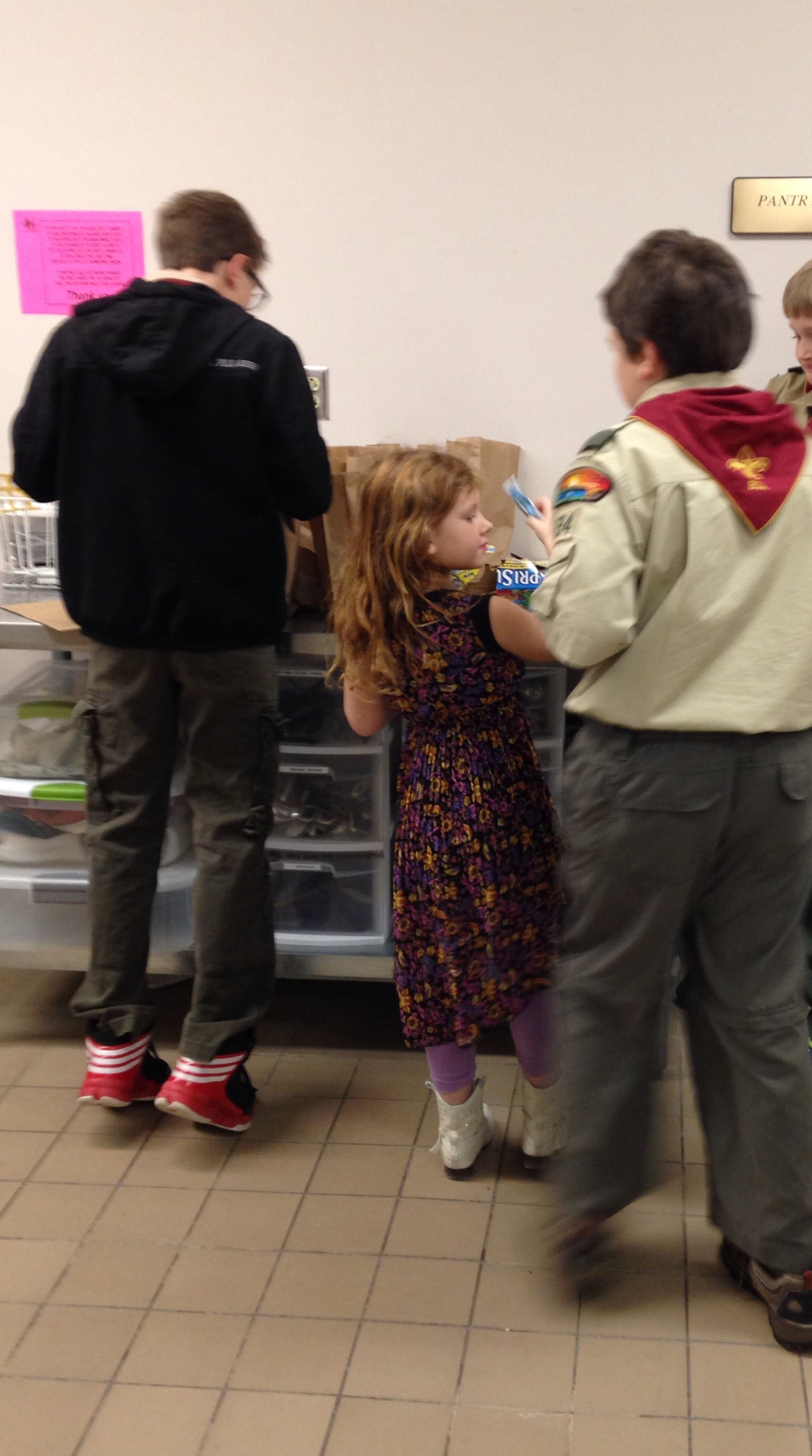
In the kitchen, preparing meals, talking to Boy Scouts, packing lunches, frying okra, moving out of the way, saying thank you, laughing, bowing my head, eating with everyone–all of it contained a lighthearted ease. The people serving food emitted it–kindness–all of them, and that will make anyone joyful. Their bowls overflowed with homemade foods they had prepared to share.
image
My Dad and I stood by the ovens and heated slices of carry-out pizza. We didn’t think much about the pizza since there was so much local food prepared in family kitchens and delivered while still hot. We placed the pizza in the boxes and covered them with foil, then a woman wheeled them to the end of the line. The pizza was an afterthought, and my Dad even wondered aloud, why the pizza? The homeless men arrived from Nashville. The Boy Scouts, Zo, and other people served all the homemade foods and filled the plates, but the men saved space for or placed the pizza on top. They commented on the pizza more than anything else. Several asked if they could return for seconds. It caused me to realize the value of carry-out pizza to someone living on the street. When these men are served in shelters and church kitchens, I’m sure it’s often homestyle foods. The pizza is different– the buttery garlic bread-tomato-pepperoni-onion-sausage-oregano scent drifting along every corner, down almost every city block, and you need $5 or $10 to get one.
image
I love pizza–barbecue chicken is my favorite.

Days 8 & 9, when plans aren’t what you’d expect, the point is that you tried. This was the lesson Zo was getting on Sunday, when the “ice storm” changed our original plans. We decided to deliver our wrapped gifts to the mall for the roller skater angel. When the office doors were locked, Zo said, “Great,” sarcastically, “change of plans again. I guess she won’t get her presents.”
I encouraged her to visit other stores with me, and we found a security guard who let us in the office to drop off the gift.
“Kind of surprised that worked out after a day like today,” she said.
“That’s a little negative, considering…” I looked at her.
“I know, I get it. I have more than that girl,” she said.
“Wow. I was going to say, considering we got our Christmas tree today.”
“Oh yeah, that, too,” she said smiling.

Another childhood joy–cookies! Day 9, she tried. She baked chocolate chip cookies for our neighbor who is elderly and recently had surgery. Zo bundled up in her coat and ran to deliver them. I watched and shivered in the cold. When our neighbor never opened the door, Zo shouted, “Can I leave them on the porch?”
“Too cold. They’ll freeze. Maybe she’ll be there tomorrow.” I waved her back over to our house.
“At least I tried,” she declared when she came inside.

image

What is Service? What is Generosity? Part 2: Maintaining Optimism

Photo by Makio Kusahara

Photo by Makio Kusahara

Our family has continued our daily service and conversations about generosity. I have learned as much about my own biases as I have about the gifts of selfless work to the homeless, abused, addicted, broken, and other people who need help all around us.

Honestly, I wondered if I would be able to find enough activities to fill the 31 days of December. Ironically, I know that it’s possible to fill every moment of a lifetime in service to others. So, where did this gap in my reality come from? I can answer it easily, with one word–privilege. I grew up in a blue collar, middle class family. My great-grandparents were a combination of sharecroppers, moonshiners, midwives, and farmers, and I was a first-generation college graduate. I had routes to jobs and knowledge. I learned fast about how to learn more and gain access, so I have been privileged in that way. My life has improved in a positive direction. My ability to actually see abuse, addiction, homelessness, and poverty was moving through the car windows, always traveling in another direction. Don’t get me wrong, I wasn’t a brat–I should say that I’ve participated in organizations that help others. I have volunteered for blood donations, canned good drives, cookie-baking benefits, walks, runs, anointing my dying relatives, a mission trip to Mexico and more in my life. I worked for years as a volunteer for a women’s magazine that focused on arts-based activism in the lives of women. I interviewed many activist women authors and artists. I’ve been to rehab centers and shelters to visit family members.

It’s just this: Zoe’s questions have taken me *closer while helping people in situations I have always wanted to avoid as realities in my own life, and that’s different.

Day 4, a friend posted a request to Facebook for someone to make a pick-up from a grocery store and deliver the food to a local organization that provides meals to the homeless. I volunteered. When I arrived at the food kitchen, the doors were locked and people sat on the floors in the foyer area, waiting for food. People lingered outside, waiting for the doors to unlock. They looked tired. Most of their clothes lacked color, and were layers of faded grays and browns and blacks. I looked at one of the men seated in front of me who looked to be about my age. I just blurted out, “I need to deliver the food. Do you know where I take it?”
“Excuse me,” he said gently, looking at the woman who had been talking to him. I hadn’t even noticed, but talked right over her.
“I’m sorry,” I said to her. “That was rude of me. I’m late and have never made the delivery before.”
She waved her hand at me and said, “It’s okay,” as she lowered her eyes to the floor.
“It’s not really,” I mumbled almost silently. The man told me where to go, and I left, saying, “thank you,” with the realization that I was quite surprised to see so many people waiting…in this town. Books and articles were written about other volunteer organizations in other places. Interviews with groups working in Rwanda and co-operatives in Laos. What did I expect about my community now, in the present? I questioned myself. As I helped unload the food, I was humbled by knowing all those hungry bellies were waiting. I had to get over my life and continue. I felt terrible and grateful. It was an overwhelming combination. When I confessed the way I interrupted the woman and overlooked her in my task, my husband just said, “You know some people make a choice to be homeless and reach out to people living on the streets.” Yes, I knew that, but I have never met someone who made that sacrifice.

The next day (Day 5), I attended the holiday dinner for the Women’s National Book Association’s Nashville chapter. Back in November, before Zoe and I started this exploration in service and generosity, I signed up for the dinner when I knew that Reverend Becca Stevens, founder of Magdalene House and Thistle Farms, would speak about her book, Snake Oil: The Art of Healing and Truth-Telling. Rev. Stevens told us that most of the women in the program were first raped between the ages of 7 and 11. I shuddered to think about girls my daughter’s age as victims of sexual violence. I thought about her classmates and friends while Rev. Stevens talked about how the girls grow up on the streets of Nashville in violence and abuse. They struggle with PTSD and shame. Magdalene House provides women who have lived through prostitution, addiction, and abuse with safe, free housing and so much more. Thistle Farms provides employment to many of those same women who find safety at Magdalene House. Thistle Farms creates health care products made from plants. They create their own oil infusions, paper, candles, lotions, body washes, lip balms, and more. There’s even an oil that works as a mosquito repellent, and it smells delightful.

I returned home that evening with some of their products so that Zoe could try them (and because it’s not possible to walk away from their lavender body butter). I told Zoe that the women of Magdalene House lived on the street. They came to the house because they were living in scary situations with unkind people, and the women needed friendship and love. I told her that they collect and buy flowers and oils and make products at their business in Nashville. She rubbed on some lotion, said, “ahhh, smells good.”
I told her that flowers, by their fragrance and oils and other qualities, can help heal people. We’ve worn crowns of clover together, and she has pressed my spit-saturated tobacco into her bee sting and cried with the same mixture of wonder and suffering, and gratitude for the understanding of both, that Stevens so eloquently expresses in her book…so, Zoe understood about the power of plants.

I cannot overstate the beauty of Rev. Stevens’s vision and book. She is close to nature and loves the clover and the thistle as much as anyone who finds sanctuary in the forests and fields. Her passages about Mr. Price and his wisdom of old-time remedies and healing lore remind me of time spent with my grandparents and those wise healers throughout my life. Her message is realistic and hopeful. While listening to her and now reading her book, I feel anchored by her awareness of the trauma and tragedy of life in combination with her deliberate goal of spreading healing, optimism, and love throughout the world.

About Thistle Farms: “Thistle Farms products are handmade by survivors of prostitution, trafficking, addiction and life on the streets. The women create natural body care products as kind to the earth as they are to the body. All proceeds benefit Thistle Farms and its two-year residential program, Magdalene.

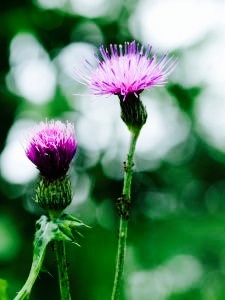
“Considered a weed, thistles grow on the streets where the women of Thistle Farms walked. But thistles have a deep tap root that can shoot through concrete and survive drought. In spite of their prickly appearance, their soft purple center makes the thistle a gorgeous flower.”

http://www.thistlefarms.org

Learning to Give: What is Service? What is Generosity?

My seven-year old daughter asked me about “service.” What does it mean “to serve others,” “to be generous,” as in helping others and giving back… I told her these types of definitions, but she still didn’t fully understand, even when I provided examples from our life. I decided to use the month of December to teach her about service by showing her examples myself and allowing her to help when she can. Each day, she learns about another type of giving and/or service. In some instances, she can contribute or participate, while for others, she can only learn about it (like serving food at a shelter since she isn’t old enough to participate).

That first day, I had already put a couple dollars from my pocket in the Salvation Army bucket, so I allowed it to “count” as Day 1, even if that meant Zoe only learned the concept and began applying it the next day (on Day 2, she put money in the bucket for herself).

For Day 2, I chose something simple. I was already making purchases for my nephews on CyberMonday. Zoe helped me choose their gifts and we added a small donation to Marine Toys for Tots. We talked about that organization and what they do for children. Her observation about Day 2: “Donating money is easy if you have some to donate.” We talked about other ways to help others, like donating your time and/or skills or talents.

For Day 3, Zoe wrapped presents for children and took them to her school, where teachers and school officials put together care packages of food and toys for local families in need. She enjoyed wrapping the presents, and they were a mess! of wrapping paper, but we got them wrapped without the gifts peeking through the paper.

This type of giving started a discussion about gender-defined toys. The school asked us to label the toys for boys or girls and list an appropriate age. We were going to label the volcano-making kit and science toys as boy’s—Ah! in a flash, we realized what we started to do. This was a perfect mistake to use as a way to talk about gender-defining conformities and assumptions. “Yeah, ’cause Lava Girl would want that volcano-making kit.” We circled both girl or boy, so the teahers can decide which child, girl or boy, would enjoy it the most. We did the same for most of the gifts she donated.

On the way to school, Zoe said, “I can donate some of my stuff I don’t want anymore.” I explained my plan to do exactly that for some other organizations that take used items and resell them or give them away. She already makes Goodwill and AMVETS donations with us sometimes, so she understood. I was relieved to know that she was already thinking of more ways to give.

One of our conversations was about giving a lot versus giving a little. On Day 2, Zoe asked why I didn’t give more money to Toys for Tots. I explained that some people do choose an organization and donate a lot of money and/or time to that one organization. And, by a lot of money or time, I explained to her that I mean “a lot” in reference to what they have to give, not what other people define as “a lot”. It’s not a comparison or competition. I choose to give a little here and a little there. I spread out my giving, especially right now, as I want her to see the different ways to give and the variety of organizations and opportunities that are out there to help others.

I’ll update my blog throughout this month with the ways we give and/or serve others, the observations we make about ourselves and others, and the organizations and people who inspire us with their generosity.

Grunt & Haul for Big Mama– A Gratitude Run

imageimage 
My expressions of gratitude happen everyday when I run–for the many taken-for-granted gifts of my life. I also say a special thank you for running–that I am free to run, able to run with my body, given the time to run, allowing my mind the space to run, and provided the safe, public places to run in the forest.
 
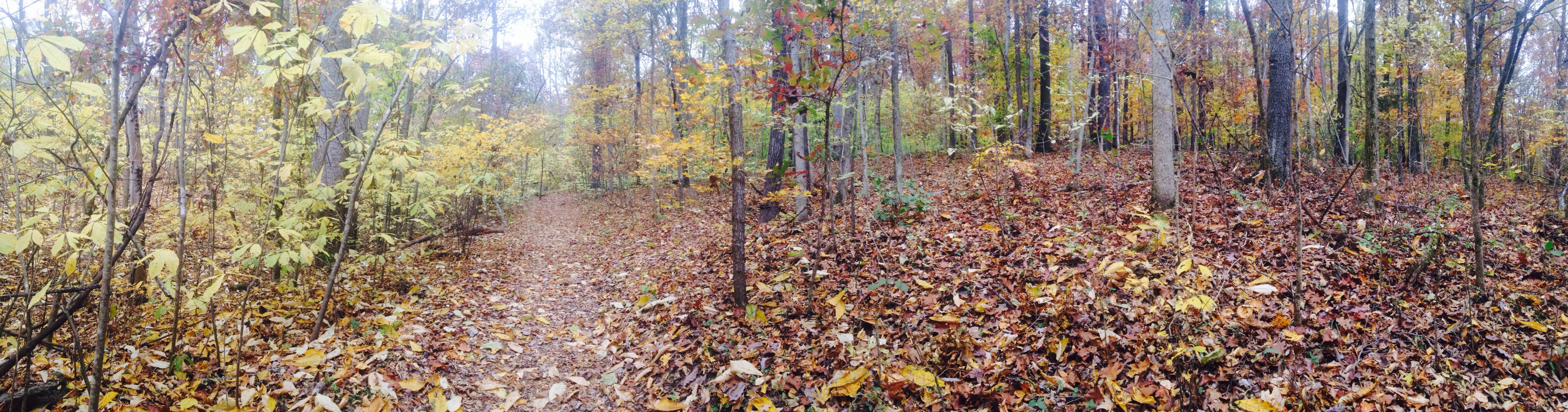
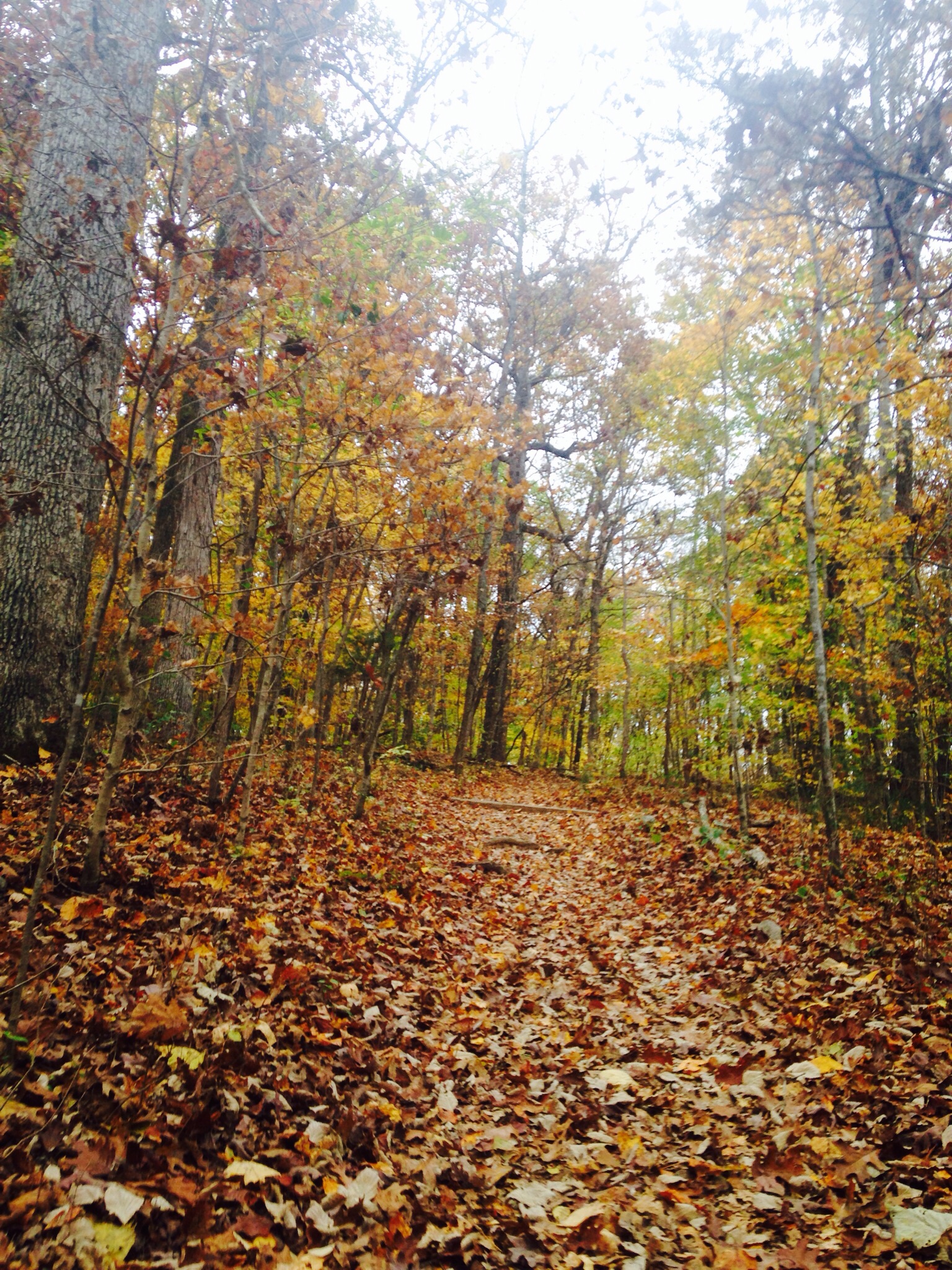
But, my highest gratitude is often reserved for the hill I call Big Mama. She teaches me more frequently than any person, book, animal, or event. She’s more than a hill–she’s an entity– her forest. Running Big Mama takes everything I have. She keeps going even when you think the hill has got to stop with the next stride. Even after you’ve curved past the bench and surmounted a second small hill tucked into the top of Big Mama, the hill rises into a cedar grove and finally, after about a full 4-minute climb, lets go of you on the rocky path littered with tree roots and fallen leaves. As if the height, rocks, and roots weren’t enough to make you do some serious thinking, the airflow is completely banished on the hill, like she has permanently shut the window. On the most humid days, she wears wool. 

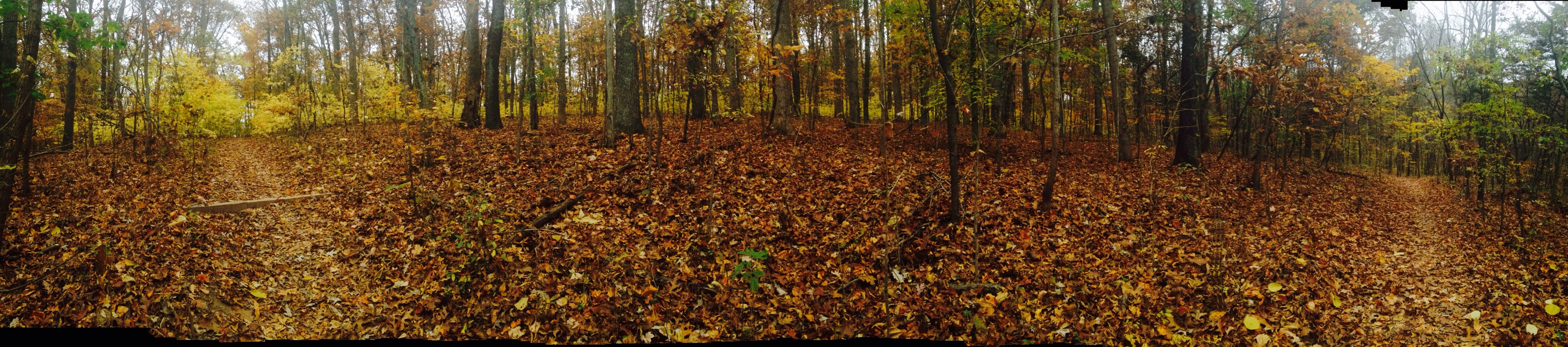
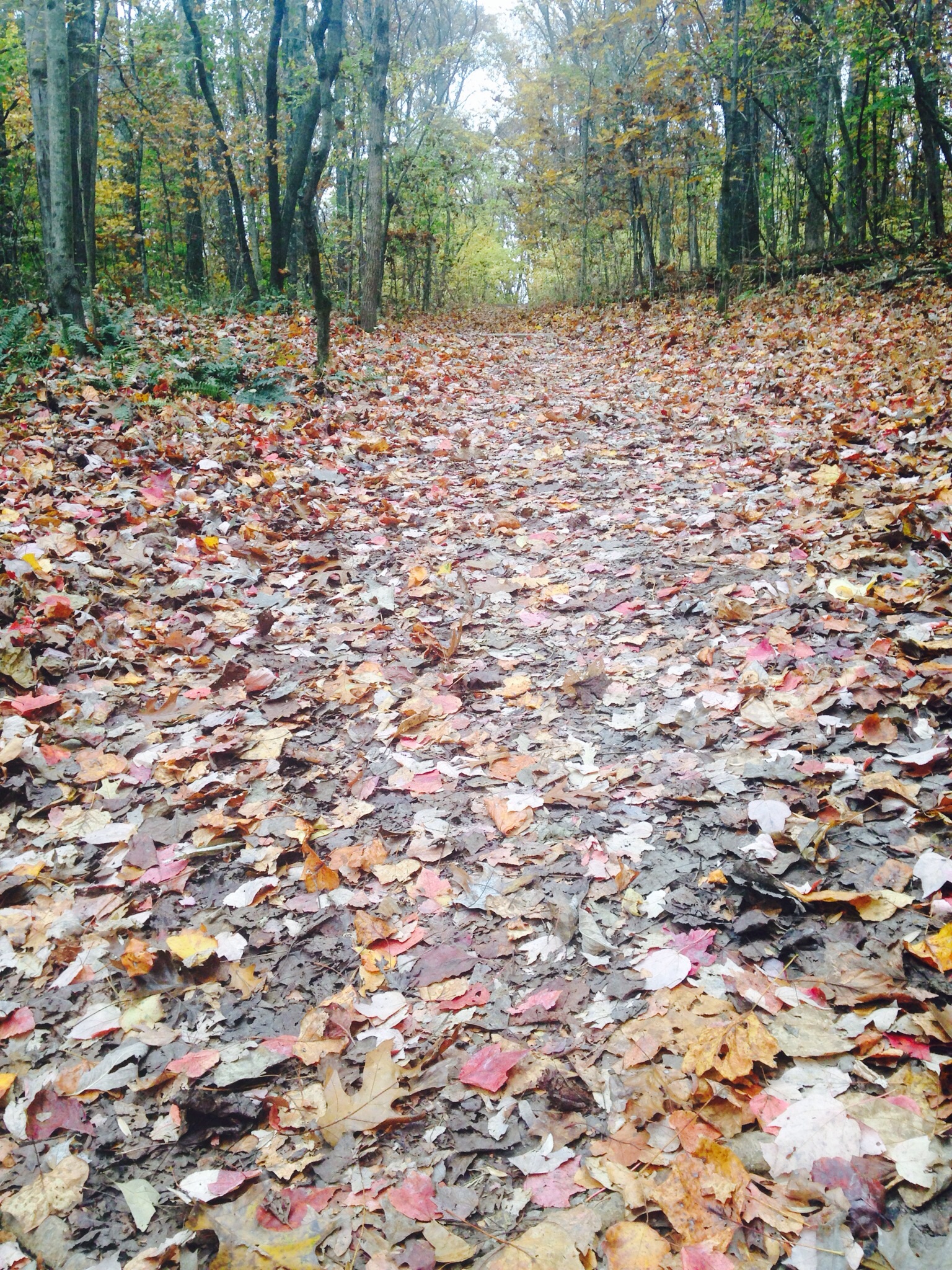
The photo doesn't give you the full effect of the climb or slipperiness at times.

The photo doesn’t give you the full effect of the climb or slipperiness at times.


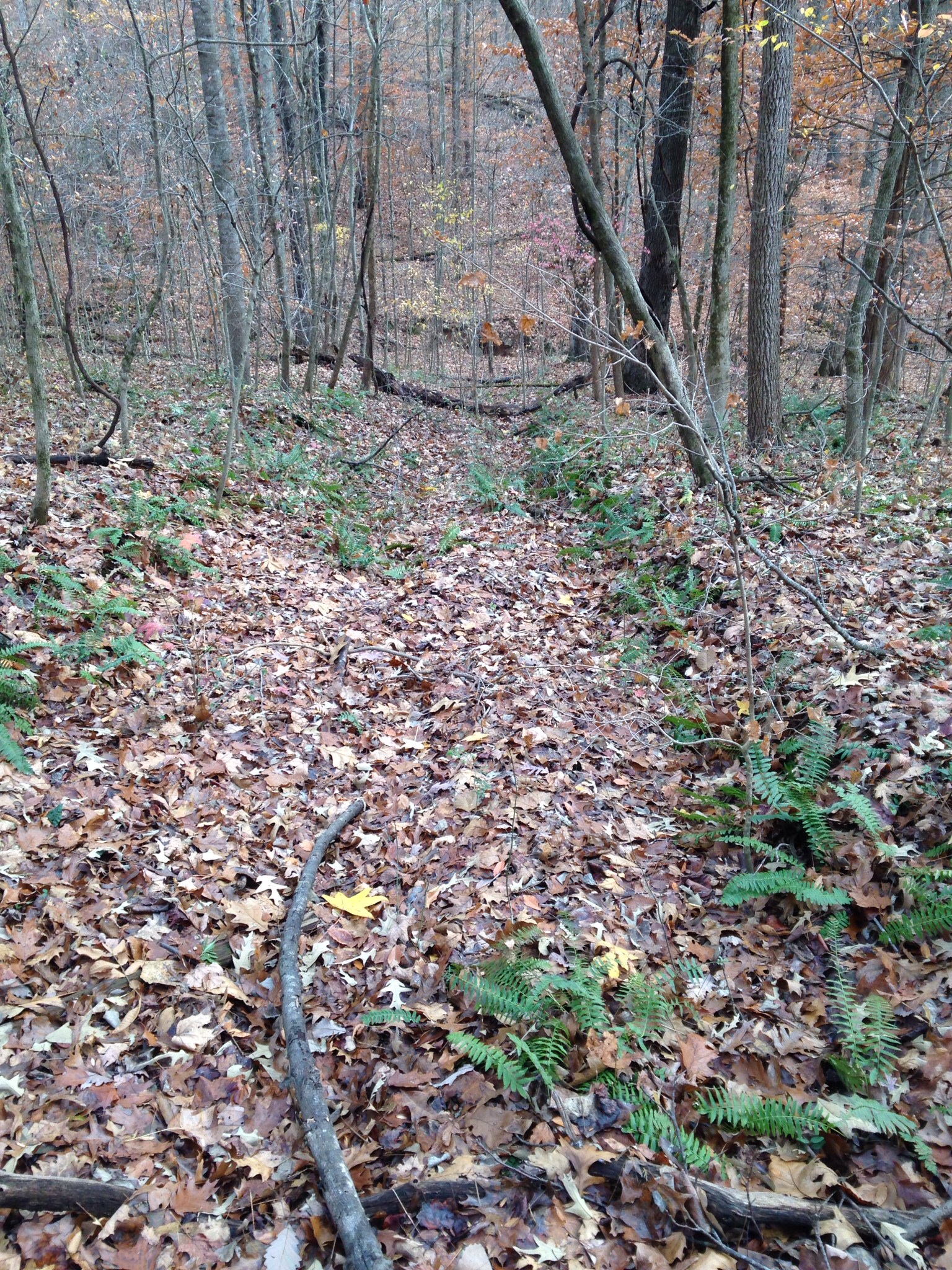
To me, Big Mama has a baby on her hip, and you need to dig your toes along the side of the trail to climb the next hill without rocks rolling underneath your feet and slipping you up. That “baby hill” will cause you to pop your chin on the ground while going up (it only seems like a baby hill when compared to Big Mama), and at the very least, baby will make your palms sting if you climb it enough times. Afterward, it’s a jarring downhill stroll, like your toddler makes, plummeting quickly. You’ll hammer all your joints in place.
image
image
I call the third hill Big Mama’s daughter. She begins with lovely dogwoods, fern-filled rolling ravines, and a wiggly path with refreshing winds, but then the pitch becomes steep and you climb the path like stairs and hop roots to the top. Weary–it’s time to twist and slide across the big stones, down, down, down to the flat path until climbing those hills again.
image
Big Mama and her daughters teach me about empowerment. Though I’m exhausted by running miles along her trails, I’ve learned what it means to be weak and strong, to be relieved of my anxieties, to be open to possibilities. 
When I run, I’m the most receptive to everything in life. I’m open to my mistakes, to correcting my relationships, looking at the challenges I face and the miles I’ve come to accomplish what I choose to be my goals. While I lose sweat and energy, I gain courage and understanding. 
image
Even as I don’t think I can do it again, I return to the foot of the hill. I can’t see more than her magnificence and height rising above me at that moment–I can’t see all that she sees and knows, not until I climb as high as my legs will carry me on the trail. And yet, there’s all that story beneath my feet, where I must look to keep my balance. So many stories to tell from the plants and animals and stones and minerals and water that make up the path–it’s place & movement that allow the imagination to grunt and haul a story into being. 

The hill lets me know that right away. 
I only forget it in being lost in the trails’ stories. 
image