Flashback: Passing Notes in High School

This is part two of a series on letter-writing in literature.
IMG_9595

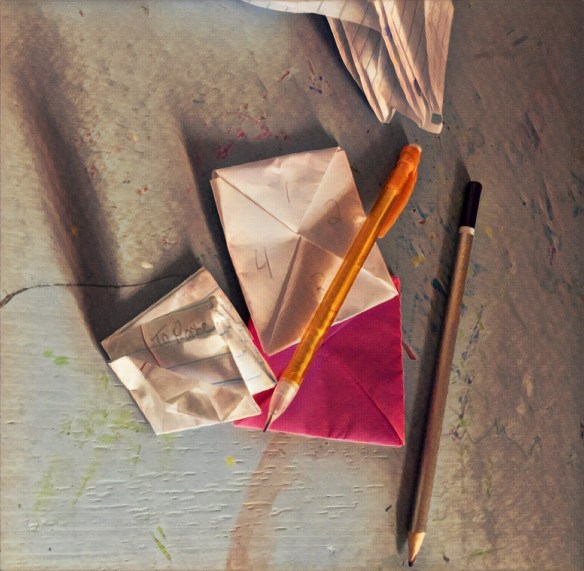
The days of passing paper notes in school are fading from our culture. When I was in high school over twenty years ago, we used notebook paper and created elaborate folds, code words, and nicknames. We knew where to pass notes between classes, when to pass them during class, and even who could be trusted to pass a note without reading it. Now, most students simply send texts and emails to one another with their phones.

In her novel, The Mosquito Hours, Melissa Corliss DeLorenzo reminds the reader about these changes in communications and letter writing. The epistolary novel doesn’t have to be a book about letters mailed and received through the post office. DeLorenzo shows how friends write notes in school, and she shares the correspondence between best friends Vivian and Raine in high school. DeLorenzo allows the reader to see Vivian and Raine’s code words. This reveals the slang and cultural trends, but it also makes the reader feel intimately involved in the relationship between the friends. Showing the letters expresses their relationship in a way that we wouldn’t have understood without the notes. We can see Vivian as a high school girl, even though she is a young grandmother during the current time of the story. The notes act as flashbacks to reveal a different time in her life. Thus, the notes show us their relationship rather than a character telling the reader about their past.

To read more about The Mosquito Hours by Melissa Corliss DeLorenzo, a novel suggested as a Best Summer Reads of 2014 on OnPoint Radio, visit www.thorncraftpublishing.com

Next week, I’ll continue writing about letter-writing in literature. See last week’s post on the Confessional Letter for part one.
The Art of Letter-Writing: the Confessional Letter

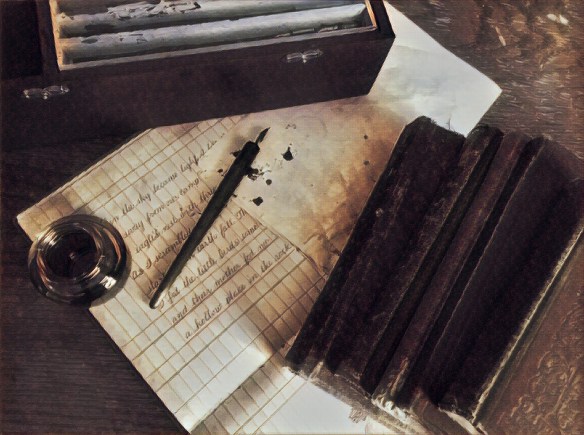
IMG_9508Writing letters is an art that I value, and in Thorncraft, we enjoy seeing the practice within stories. How about all of you, writers? Is letter-writing part of your practice? There’s nothing like receiving someone’s handwritten thoughts in your mailbox.
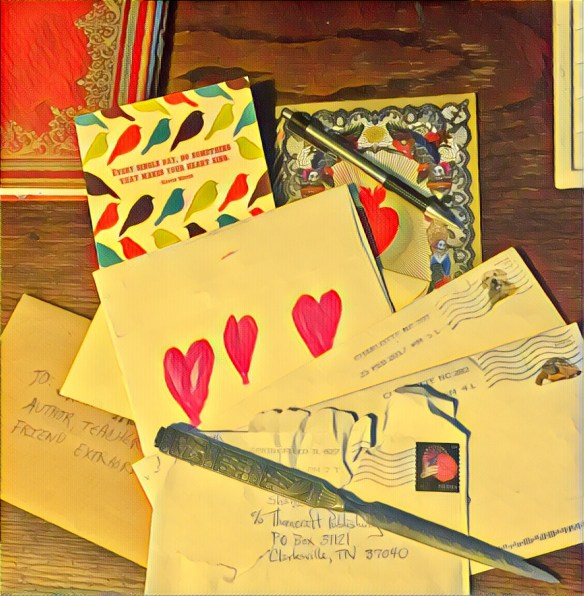
I love when letters show up in books, even if it’s for a moment, as in Grace Among the Leavings by Beverly Fisher. One of the reasons I loved this novella, other than the young, inquisitive narrator Grace, was the confessional letters that were written during the events of the book. The letters reveal the central conflict and show depth of character where the readers might otherwise easily make judgments to disregard characters who commit a violent crime.

We, the readers, gain further insight into the people living in the rural south during the US Civil War by watching how they receive letters. Grace is the only member of her family who can read, and she is still in the process of learning, so the family must send for the preacher to read any letters aloud to them.

We see the dependence of the community on the preacher and those who can read and write in order to communicate for them. The novella reminds how important it is to cultivate the ability to read and to write, to correspond via letters and wait patiently for a response.

I’ll be sharing more about letters in books in the coming weeks in a series about the importance of the art of letter-writing.

IMG_9336

Visit thorncraftpublishing here to read more about Grace Among the Leavings by Beverly Fisher. The book has been adapted to the stage by Kari Catton and Dennis Darling. It has been performed as both a one-act and a two-act play.

The Pleasure of Messy Readers

I lone a book to a friend and smear a few places with the cherry pie I am eating so that she will read comfortably. I fold a page at the corner. I smudge the ink.

I want to know that you have lived in a book. Smudges, smears of food, flagged pages, underlined passageways, highlighted words, circled phrases, creased spines, fanned chapters, notes in the margins, and oh the hidden agendas that we derive from books. Whips of innuendo, delights that you read over and over, favorite scenes, snippets of memorized dialog, questions to drum up sweat in the pondering, and relative texts to consider.

Yes, I am the messy reader, doing so with abandon. Borrowing a text is impossible, as I will not return it in the same condition. My books have even become crinkled and warped to double their size on occasion from my habit of reading in a swimming pool during the summer months.

I give with the same rules. If you borrow a book from me, I expect you to return it with smudges, crumbs, tears, warps, and more. Otherwise, you certainly didn’t adventure far with the book, nor did you eat anything delicious while reading. Eat and read. Adventure and read. Read and go. Read and slurp. Snort-laugh and read something funny. Read and cry about something that deserves your tears and interest. Explore and read. Mainly, don’t fear books and pages and words. Any snob who ever made you feel like you should be intimidated by some paper was a really good snob, and now is the time to defeat that snobbery. Words and paper can be serious, yes, but also fun and playful. Even the serious parts need some smears of cherry pie. Books need and feed on adventure as much as you need books. Feed. Read. See. Do. Enjoy to the fullest and show the traces of your enjoyment, in a book.

I Marvel at Mockingbirds

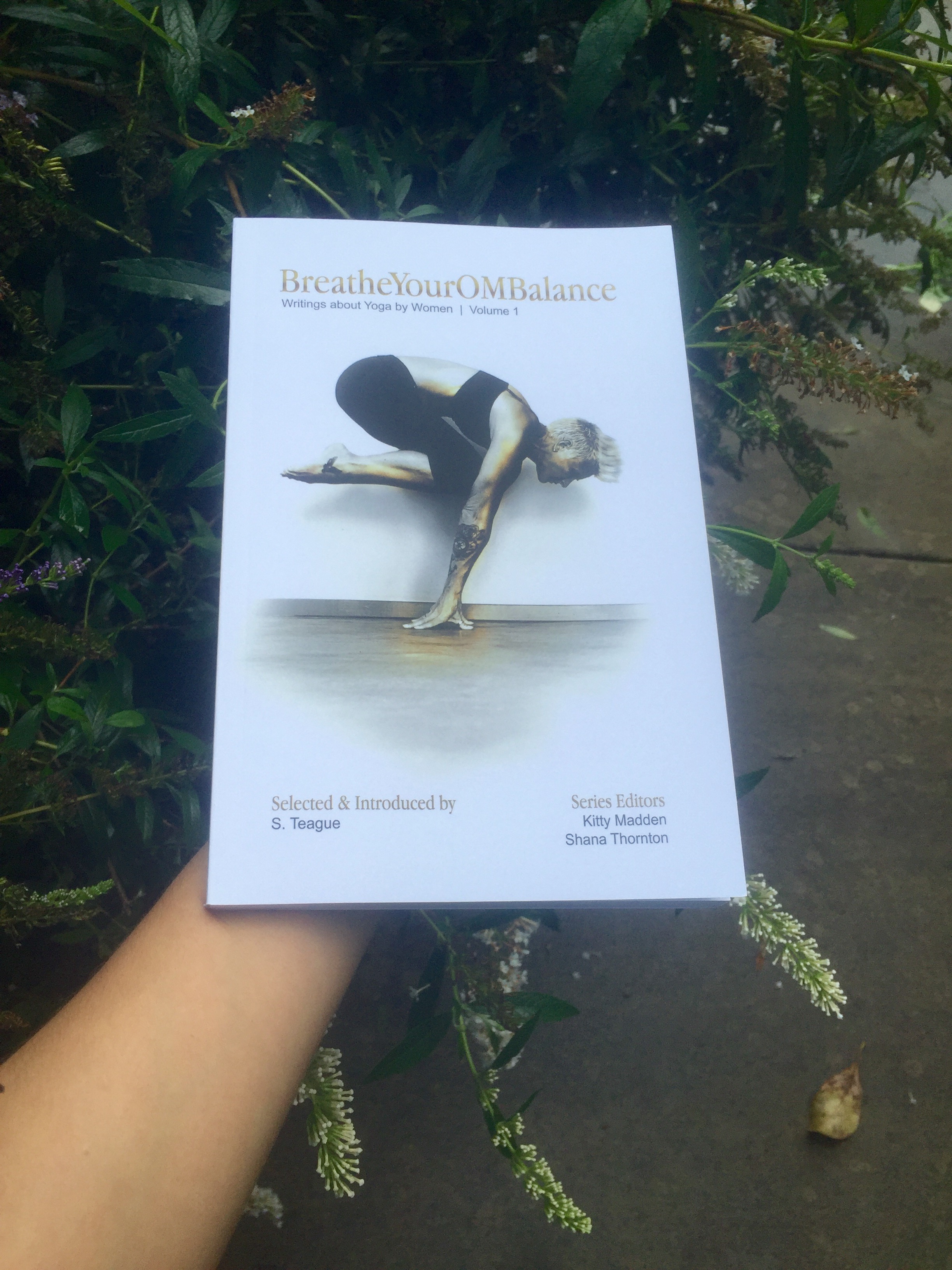
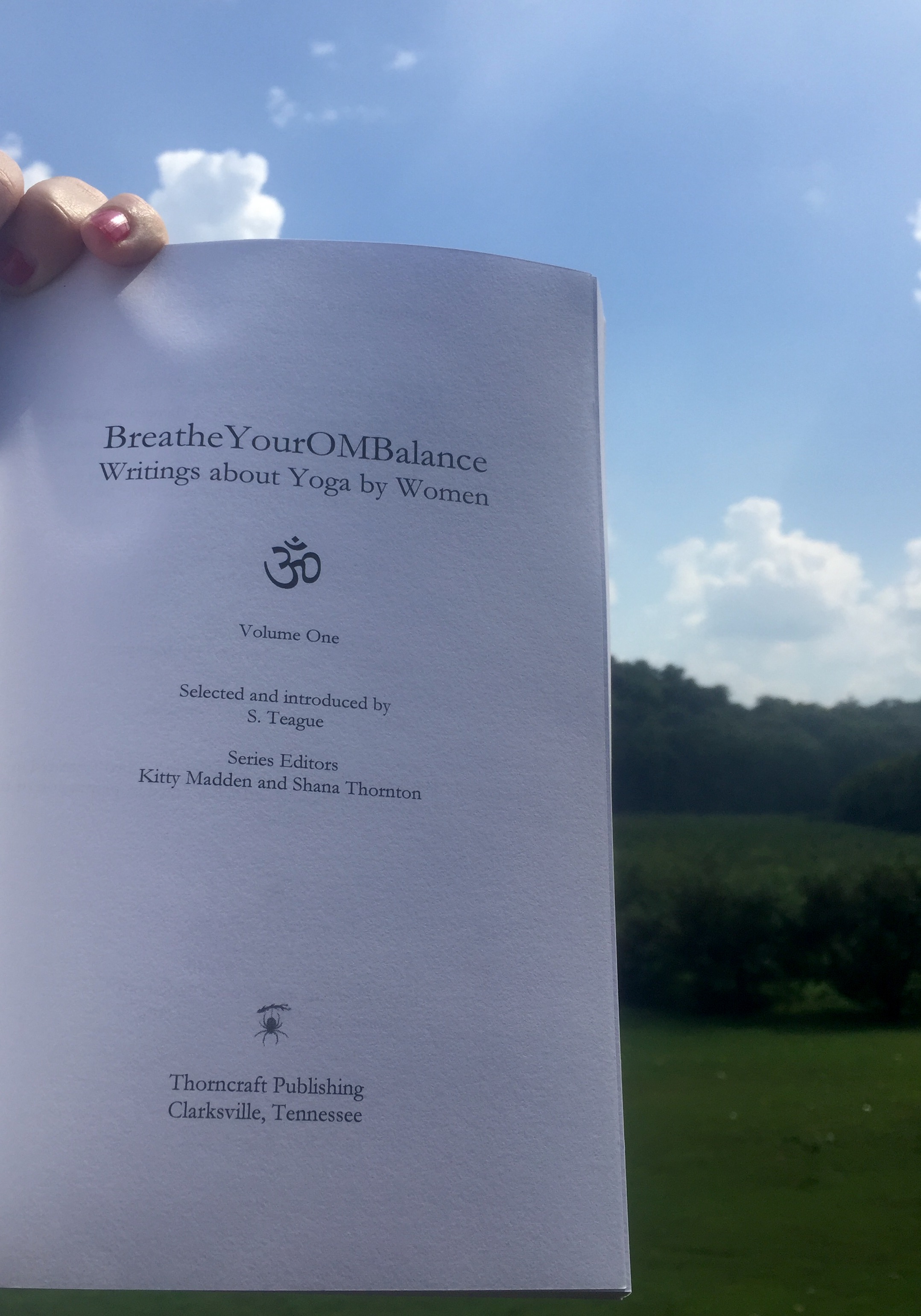
The book proof for Thorncraft’s 7th title arrived in the mail during a late summer rainstorm while the sun was shining. As I opened the book, I suddenly heard bird songs and chatter, and I looked up expecting to see starlings or a similar flock.

image

Cover designed by etcetera… Cover image by SaltH2Ophotography


I realize that they are mockingbirds. I’ve never seen this many mockingbirds in one yard. I count over 20 of them playing around the dying garden, in the field, flapping from cedar tree to fence to persimmon branches to vitex bushes. Around 30, I give up the count and watch as the birds swoop and the white of their wings flashes against the green of the field. They whistle, chip, tweet, chirpity chirpity chirpity, st-weeet with a little trilling laugh on the end of the call. The calls and songs are so varied that I grasp for ways to describe them. It’s better to listen and enjoy. I marvel at the similarity in this first volume of the BreatheYourOMBalance book, thoughtfully selected and introduced by S. Teague.

As I read through the stories and poems, I am taken aback by the number of voices moving through Thorncraft. I’m always grateful for each book. Each one has represented a different stage in the publishing process for me, new awareness, and growth into another form. Every book has been unique to the author and my relationship with that person, as I care for all of the books that we make throughout the process.

image

image

The Breathe book includes work from 28 women who have enriched my experience as a publisher by sharing their voices, and some of them by opening themselves to working through the editing process. I’m humbled that they trusted me to share their ideas, and I’m proud of their courage and dedication, both of which shine in these stories about the transformative practice of yoga.

This is Thorncraft’s 7th book. Five books of fiction. One book of collaborative nonfiction. One series book about yoga by women. 4 book authors. 28 contributing authors. I marvel that this creative endeavor continues to grow and include women who make me proud to share their work.

image

Now, the book proof goes into the trusted hands and under the “red pen” (she actually uses blue or black most of the time) of senior editor, Kitty Madden. In the meantime, we’re excited to share some blurbs about the book from authors as well as fitness and yoga instructors. Book Forthcoming, Fall 2016. Visit http://www.thorncraftpublishing.com for more details about all of our books and authors